
“We’ll sort that out when we’re bigger.” A perfectly understandable business plan, usually filed alongside “when things calm down” and “when we’ve got a spare five minutes”.
When you are building a business, the next customer matters. So does finishing the work, paying people and finding out why the printer has chosen today to develop a personality.
It is easy to see why documenting responsibilities and checking the effectiveness of a process can slip down the list. The business is working. People are getting things done.
But growth changes the conditions that made the original approach work.
The founder cannot remain the connection between everything
In a small team, one person may know why a quotation changed, which supplier needs watching and what a customer was told on the telephone. They can spot a problem because they have the whole picture.
Add more employees, projects, sites and customers, and that picture becomes harder to maintain. The founder is still expected to provide the answers, but no longer sees every decision that creates the questions.
Delegating the work without transferring its context leaves people dependent on the same individual. It also makes an ordinary absence more disruptive than it needs to be.
Look for the points where growth has changed the work
More documents are not automatically the answer. Start by identifying where the business now relies on an assumption that used to be safe.
- More people: responsibilities that were obvious to three colleagues may be unclear to twenty.
- More handovers: a sales conversation now passes through technical review, procurement and delivery.
- More variation: a familiar service is being adapted for customers with different needs.
- More dependencies: additional suppliers, systems or sites affect what the business can deliver.
- More decisions: managers need clear authority to act and a route for issues outside it.
These are reasons to revisit the working arrangements. They are not proof that the business is failing. Recognising them early gives you a chance to adjust deliberately.
You do not need a committee to buy a stapler
You probably do need a suitable review before committing to a new technical specification, accepting an unfamiliar delivery risk or changing a working method that people depend upon.
Proportionate control means concentrating effort where it changes the quality of a decision or reduces a meaningful exposure. A check that adds no useful information deserves to be questioned too.
For one important handover, agree what must be passed on, who receives it, what they must confirm and what happens if something is missing. Try the arrangement on real work before expanding it.
Make control useful to the person doing the work
A process becomes easier to use when it helps someone find the current instruction, understand a decision or resolve a blockage. It becomes harder to defend when its only visible purpose is completing another form.
Keep instructions focused on the task. Ask for evidence that will actually be used. Give people a way to report that a requirement is unclear or impractical, and assign someone to respond.
Review the result as well as the completion status. A task marked complete does not necessarily mean the customer received what was agreed or the next team has what it needs.
Give the growing business a shared memory
Zebsoft brings operational information, responsibilities and supporting evidence together. Documents, tasks, risks and configured ZAP workflows can help teams retain the context that otherwise remains spread across individuals and inboxes.
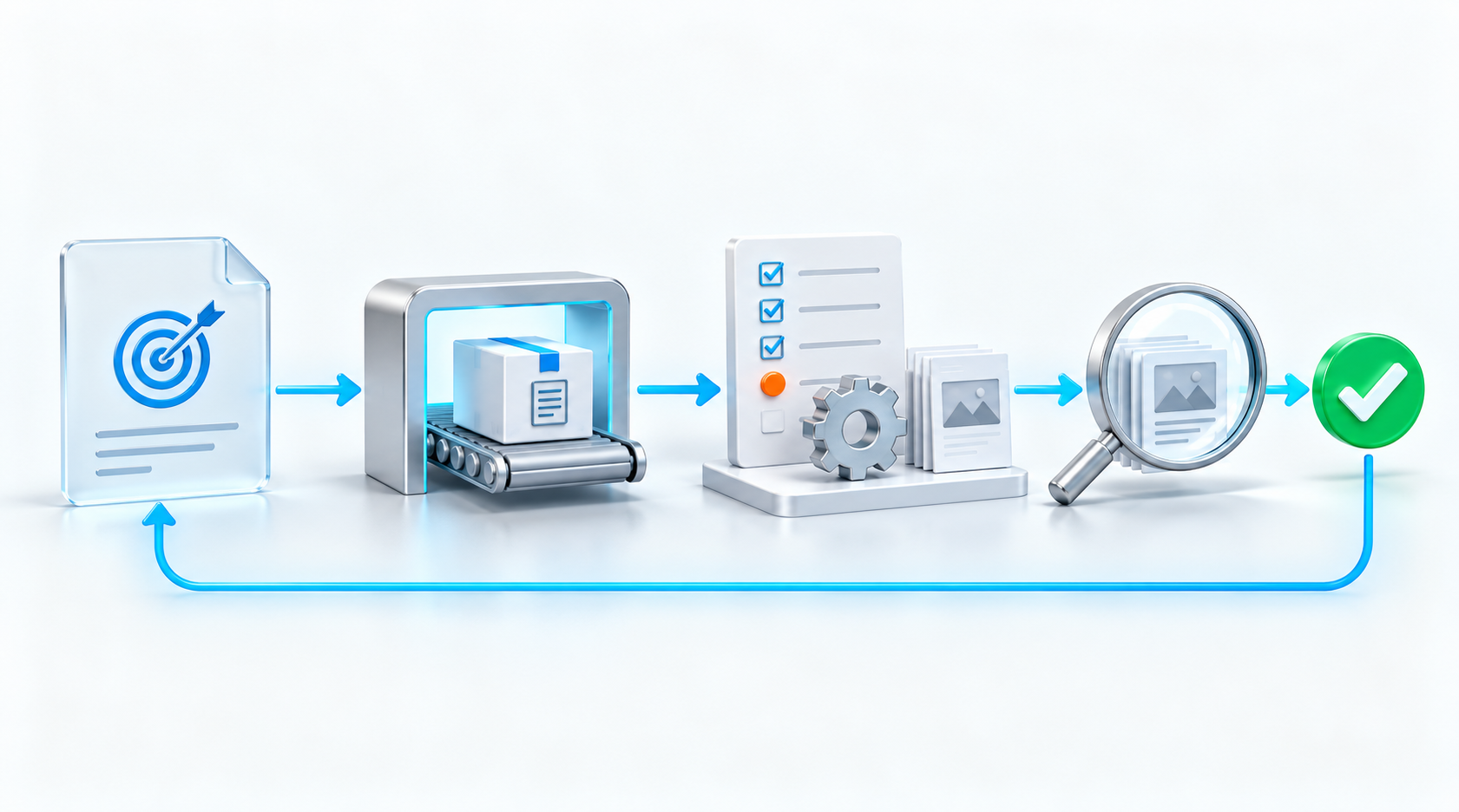
Begin with a useful business problem, such as an unreliable project handover or an unclear approval route. Define the requirement and ownership, configure the supporting activity, then review whether the change improved the work.
The Zebsoft demonstrations show document control, tasks, risks and workflows in practice.
There will always be something urgent competing for your attention. But the business you are too busy to protect is the one you are working so hard to build.