CONNECTED CHANGE ASSURANCE
Change Management Software for Controlled Workflows
Any Degree of Control—from a Recorded Update to Enterprise Change
Change management software should do more than record a request and approval. Zebsoft connects each change to its operational context, then applies the workflow depth, authority, evidence and verification that the change actually requires.
PROPORTIONATE BY DESIGN
Do Not Force Every Change Through the Same Route
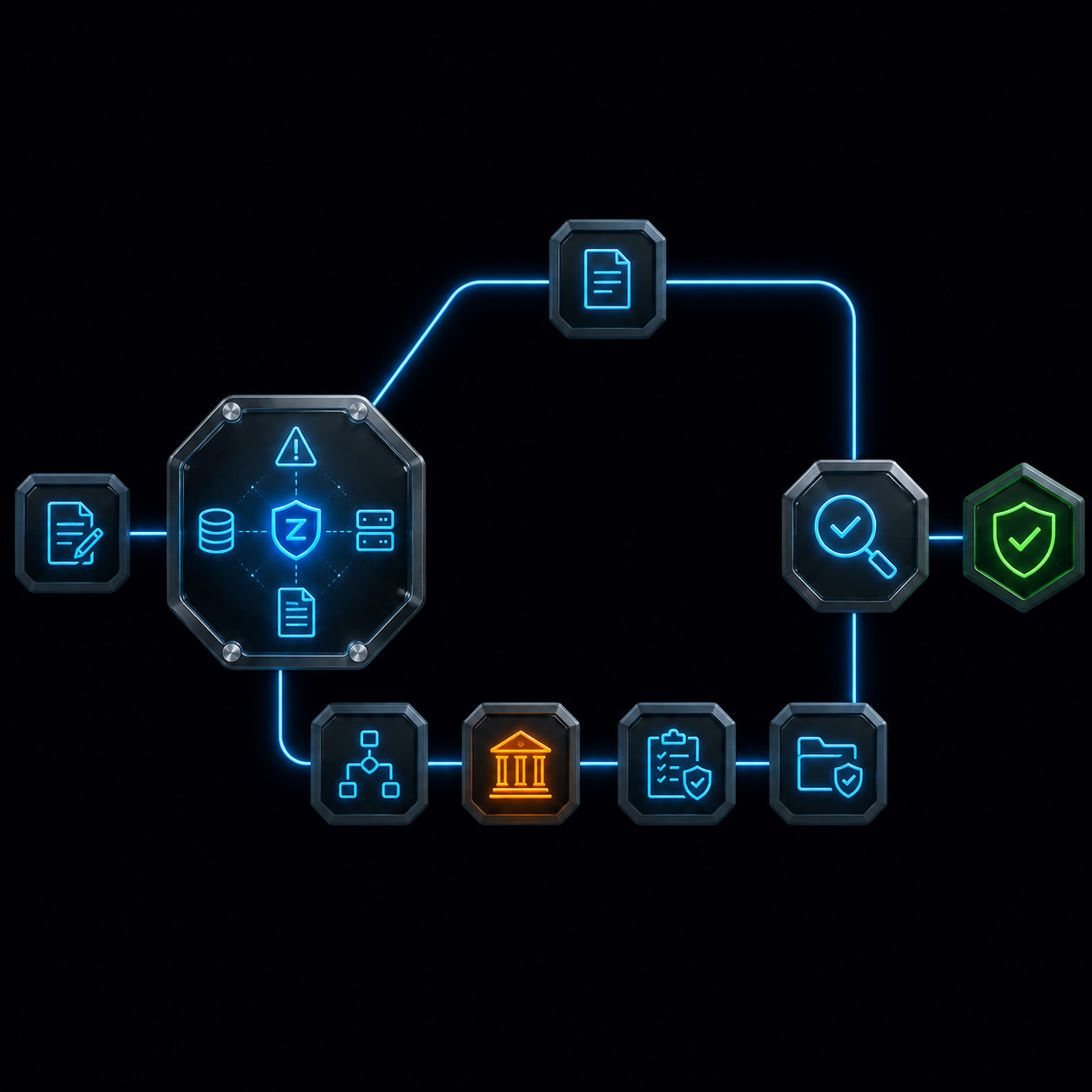
Change ranges from a low-impact correction to a safety-critical, regulated or enterprise-wide transformation. A rigid process either over-controls routine work or under-controls material risk. Zebsoft lets the approved workflow expand or contract around change type, scope, answers, risk, location, asset, system and authority.
There is no fixed number of control levels. Configure as many stages, conditions, specialist reviews, approval gates, evidence requests and verification points as the process requires—while keeping the route visible to the people expected to act.
CONTROL THAT FOLLOWS CONTEXT
The Workflow Changes When the Change Changes
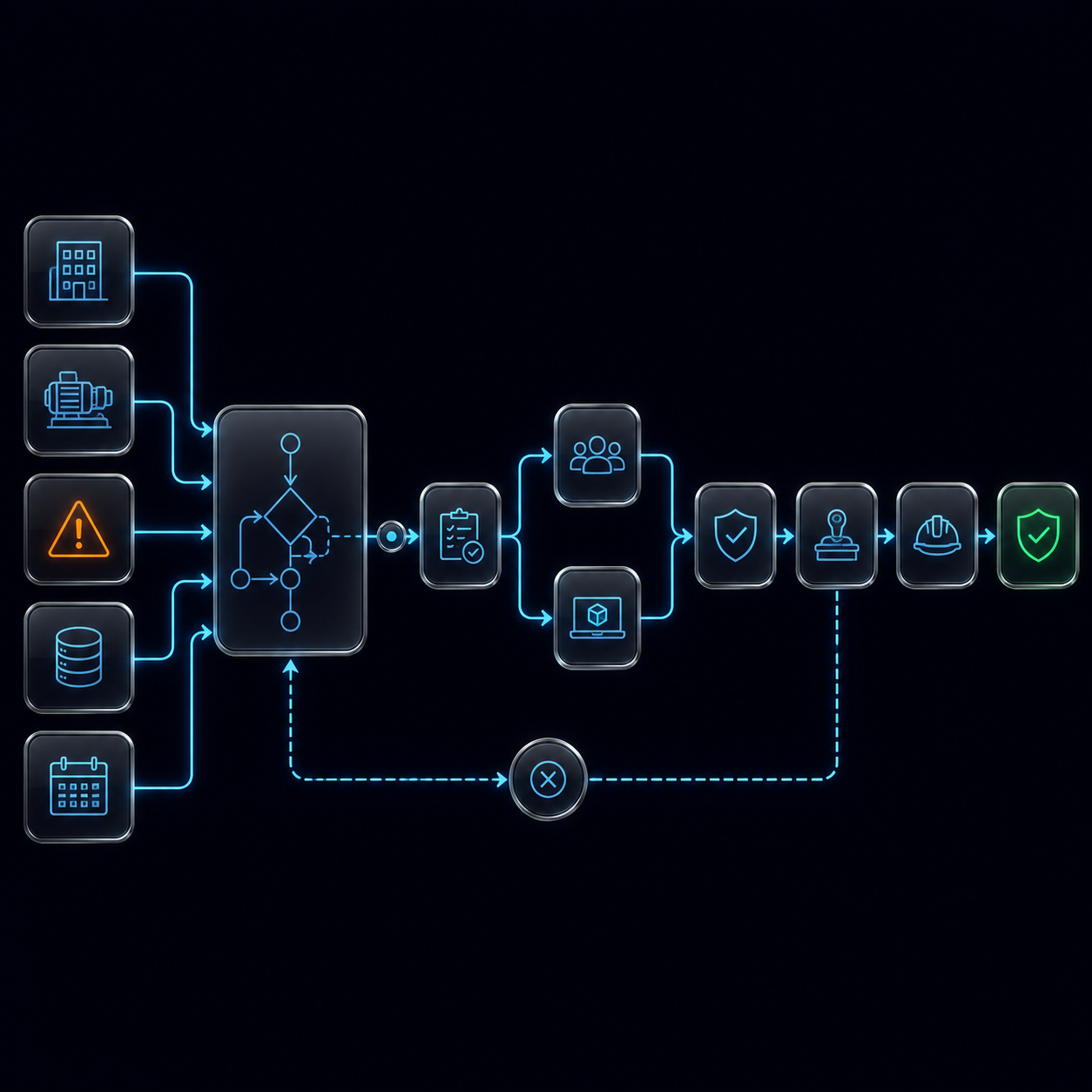
A useful change route is conditional. A selected site, affected asset, risk answer, system classification or proposed implementation date can alter the activity that follows.
The workflow does not decide the risk. It makes the organisation’s approved response to that risk operate consistently and visibly.
THE OPERATING MODEL
Define, Communicate, Operate and Assure Change
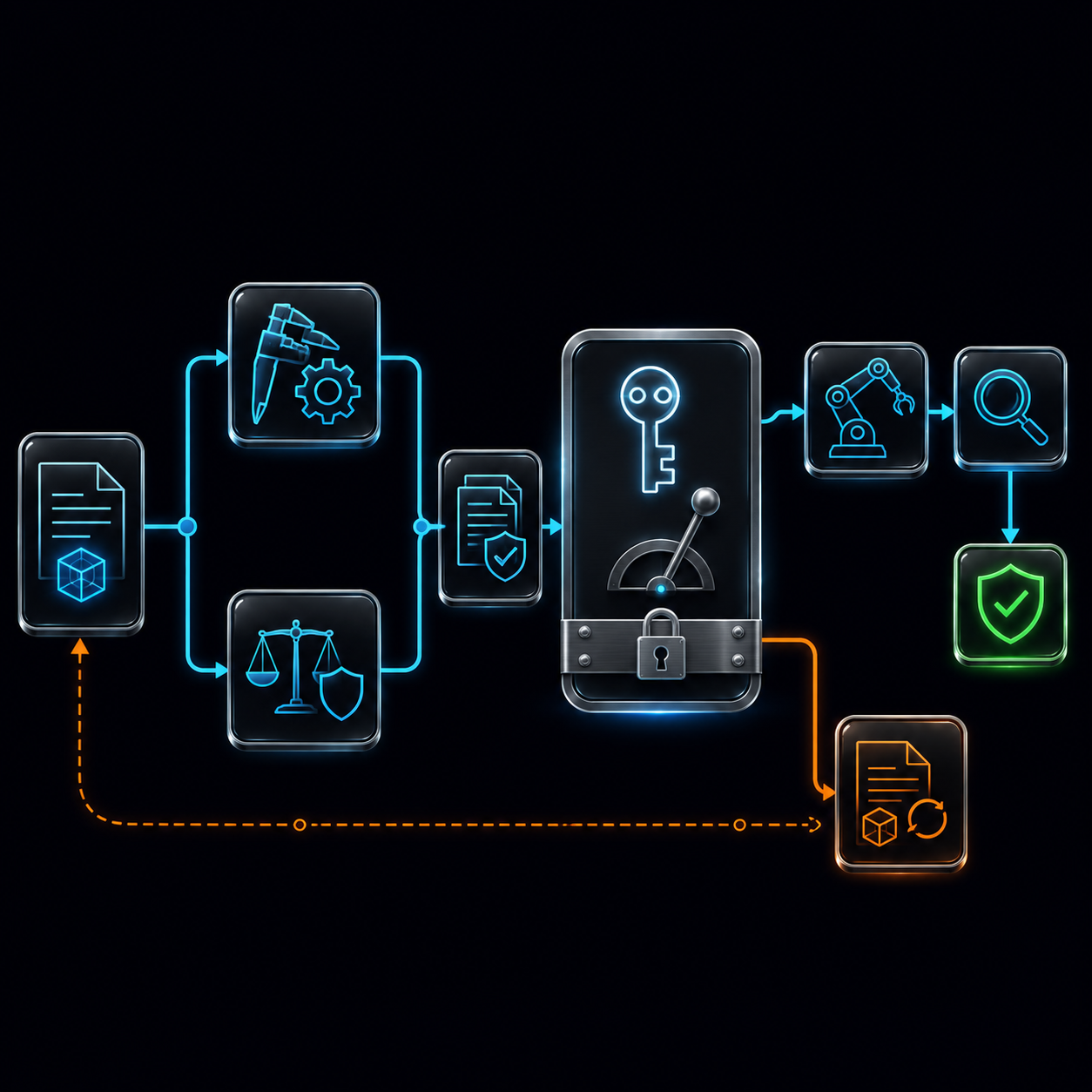
Control is not the form used to request change. It is the complete route from defined criteria through communication, operation, evidence and accountable verification.
Proposal → operational and risk context → proportionate workflow → review and approval → controlled implementation → communication and evidence → human verification → release or further ac tion
BUILD THE ROUTE YOUR PROCESS NEEDS
Configurable Workflow Components—not a Fixed Checklist
Combine the controls needed for each category of change. The same building blocks can support a concise local route or a complex cross-functional programme.
THIS IS HOW WE SOLVE THE PROBLEM
One Change. Connected Workflows. Visible Control.
A process owner proposes a production change. What looks local also affects equipment settings, a work instruction, operator competence, product criteria, a supplier interface and an existing risk control.
ASSESS THE COMPLETE IMPACT
Change Rarely Affects Only the Record That Started It
Use structured questions and linked information to expose the functions, people and controls that need attention before implementation.
AUTHORITY THAT MATCHES THE DECISION
An Approval Is a Decision—not a Status Change
Configure who may review, approve, implement, verify and release each type of change. Authority can vary by impact, value, site, process, asset, system, product, legal context or another approved classification.
The software can enforce the configured route and prevent unauthorised progression. It cannot determine whether the proposal is safe, technically valid or appropriate; that remains a human responsibility.
COMMUNICATION IS PART OF CONTROL
Make the Changed State Visible Before People Are Expected to Use It
Publishing a revised document is not the same as preparing people for change. Link communication to the workflow so affected groups receive the relevant information and readiness remains visible.
This is particularly important across multiple sites and remote teams. The change owner can see who has received information, which action remains incomplete and whether an exception must be resolved before implementation.

IMPLEMENT THE APPROVED CHANGE
Control the Transition—not Only the Decision
The implementation stage should show what was authorised, what prerequisites were met, who performed the work, what actually happened and how deviations were handled.
For a low-impact change, this may be a brief confirmation. For a complex change, it can coordinate several linked workstreams and hold final release until their required evidence is available.
ASSURE THE RESULT
Completion Does Not Prove Effectiveness
Keep verification distinct from implementation. The change may be installed, published or released while still requiring observation, testing and competent judgement.
ONE ENGINE. MANY CHANGE CONTEXTS.
Configure the Route Around the Change—not the Department
The shared workflow capability can support different subjects while preserving the specialists, criteria and evidence appropriate to each one.
MANAGEMENT VISIBILITY
See Where Change Is Building Risk or Waiting for Action
Dashboards and filtered views can show change volume, stage, impact, ownership, overdue activity, evidence gaps, implementation readiness and verification status. The important difference is traceability: users can move from the summary to the workflow, records and human decisions behind it.
A dashboard summarises the position. It does not replace review of the underlying evidence and context.
CONNECTED TO THE WIDER ASSURANCE SYSTEM
Change Should Influence the Records It Affects
Zebsoft change workflows operate across the platform. The change is not isolated from risk, documents, people, incidents, audits or actions; those relationships give the workflow its operational context.
FROM TRACKING TO ASSURANCE
A Change Register Is Not a Change Control System
Many tools can store a request and change its status. The harder requirement is to connect impact, authority, dependent work, evidence and post-change judgement through one governed route.
| Change requirement | Spreadsheets and email | Generic task or ticket tool | Zebsoft change workflow |
|---|---|---|---|
| Route by impact | People interpret the route manually. | Usually one configured status sequence. | Conditions can add the assessments, specialists and gates required by the change. |
| Connected impact | Links are written into cells or messages. | Attachments and links provide limited context. | Risks, controls, assets, processes, documents, people and evidence remain related to the change. |
| Authority and gates | Approvals are difficult to distinguish from discussion. | Assignment or status may be treated as approval. | Named roles, separation of duties and evidence gates control progress. |
| Implementation readiness | Training, communication and prerequisites sit elsewhere. | Subtasks show activity but may not prove readiness. | Configured prerequisites can prevent release until required work and evidence are complete. |
| Post-change assurance | The record is often closed when implementation ends. | Closure usually means the task was completed. | Verification, monitoring and effectiveness review can remain open after implementation. |
CONTROLLED TRANSITION
Move From Registers or Legacy Software in Stages
Do not reproduce every weakness of the old process. Preserve the information and history that matter, then configure the future workflow around approved control and user needs.
Migration scope depends on source quality, access to the existing system or files, required history, data relationships and the workflow selected. A phased start can focus on one high-value change route before extending the configuration.
RESPONSIBLE AI. ACCOUNTABLE PEOPLE.
Interrogate Change Information Without Delegating the Decision
Where enabled, AI can help authorised users interrogate approved information, identify connected records, summarise change activity and surface potential gaps for review. It has no authority to invent evidence, determine risk, approve a proposal, validate implementation or release a changed state.
No software can guarantee that a change is safe, effective or compliant. Zebsoft helps organisations operate their approved controls and retain evidence; the organisation remains accountable for the process and its decisions.
PRACTICAL QUESTIONS
Change Management Software FAQs
Workflow depth, authority and evidence should reflect your organisation’s change context. Zebsoft provides the configurable route; competent people define and operate the control.
What is change management software?
Change management software provides a controlled route for proposing, assessing, approving, implementing and verifying organisational change. Zebsoft connects the change record to the affected risks, controls, processes, assets, documents, people, actions and evidence so the route can reflect actual impact.
Does every change need the same workflow?
No. A minor controlled update may need one owner and retained history. A high-impact operational change may require specialist assessments, several approval gates, communication, training, validation, contingency and post-change review. Zebsoft can apply different routes according to the information and rules your organisation has approved.
How many workflow stages can we configure?
The route is not limited to a small set of fixed control levels. You can configure the stages, conditions, responsibilities, reviews, approvals, evidence requests, reminders and escalation your process requires. Good design still matters: the workflow should be proportionate, understandable and owned.
Can emergency changes follow a different route?
Yes. An emergency route can capture the reason, authority, immediate controls and evidence needed to act quickly, then require retrospective assessment, documentation and verification. The competent people in your organisation define when that route may be used.
Can a change update related risks and documents?
Yes. The change can be linked to affected risks, controls, processes, assets, documents, training and other records. The workflow can assign the updates and require evidence, while authorised people decide what must actually change.
Can Zebsoft prevent release before prerequisites are complete?
Configured gates can hold progression until required actions, reviews, approvals or evidence are present. Human approvers remain responsible for deciding whether the evidence is suitable and whether release is authorised.
Does Zebsoft approve or validate the change automatically?
No. Automation can route work, test configured conditions, send reminders and expose missing evidence. Competent and authorised people remain responsible for impact, risk, approval, technical validation, release and assurance conclusions.
Can we migrate an existing change process?
Yes. Existing forms, categories, registers, approval routes, open changes and selected history can be mapped into a phased configuration. Scope depends on source quality, access, required history, relationships and the future workflow you approve.
DESIGN CHANGE CONTROL AROUND REAL RISK
See How Zebsoft Can Operate Your Change Workflows
Show us a simple change and a complex one. We will demonstrate how the same connected platform can apply different assessments, responsibilities, approvals, evidence and verification without losing visibility or control.