
AUTHORITATIVE STATUS PAGE
ISO Standards and Revisions: Current Status
Published Editions, Drafts and Transition Information Kept Distinct
ISO standards and revisions must be reported by exact edition, date and development stage. This page records the current position of major management system standards and explains how organisations can prepare without treating a draft, amendment or expected publication as the current requirements edition.
Status checked: 28 August 2026

THE ESSENTIAL READING RULE
Publication Status Comes Before Commentary
A revision announcement, committee decision, DIS, FDIS and publication are not the same event. The authoritative position starts with the ISO project page and published edition. Certification-transition details then come from the relevant accreditation and certification system.
CURRENT POSITION
Major Management System Standards at 28 August 2026
This table distinguishes the current published requirement from projects and certification transitions. It is a monitoring summary, not a substitute for obtaining the relevant standard or professional advice.
| Standard | Current position on 28 August 2026 | Revision or transition position | Authoritative source |
|---|---|---|---|
| ISO 9001 | ISO 9001:2015 with Amendment 1:2024 remains the published requirements edition. | Edition 6 is under publication and expected in September 2026. It has not yet replaced the 2015 edition. | ISO 9001 project page |
| ISO 14001 | ISO 14001:2026 is the published fourth edition. ISO 14001:2015 and its 2024 amendment are withdrawn as ISO publications. | Certified organisations must follow the transition arrangements applying to their certification. UKAS states a certified-customer transition deadline of 30 April 2029. | ISO 14001:2026 UKAS transition bulletin |
| ISO 45001 | ISO 45001:2018 with Amendment 1:2024 remains the published requirements edition. | A revised edition is at Draft International Standard stage. A DIS does not replace the current published standard. | ISO 45001 lifecycle |
| ISO/IEC 27001 | ISO/IEC 27001:2022 with Amendment 1:2024 is the current published requirements edition. | No later requirements edition is shown as published by ISO. Use the full ISO/IEC designation and edition. | ISO/IEC 27001:2022 |
| ISO 22301 | ISO 22301:2019 with Amendment 1:2024 is the current published requirements edition. | ISO records the standard as due to be revised. No replacement requirements edition is yet published. | ISO 22301:2019 |
| ISO/IEC 42001 | ISO/IEC 42001:2023 is the current published AI management system requirements standard. | Supporting standards now include ISO/IEC 42005:2025 for AI impact assessment guidance and ISO/IEC 42006:2025 for certification bodies. | ISO/IEC 42001:2023 |
THE TWO IMMEDIATE REVISION PRIORITIES
ISO 9001 Is Approaching Publication. ISO 14001 Has Already Changed.
The difference matters operationally. Quality teams can prepare against a nearly published project while retaining ISO 9001:2015 as the current basis. Environmental teams must now work from ISO 14001:2026 and manage the applicable certification transition.
STANDARD DEVELOPMENT LIFECYCLE
Understand the Stage Before Taking Action
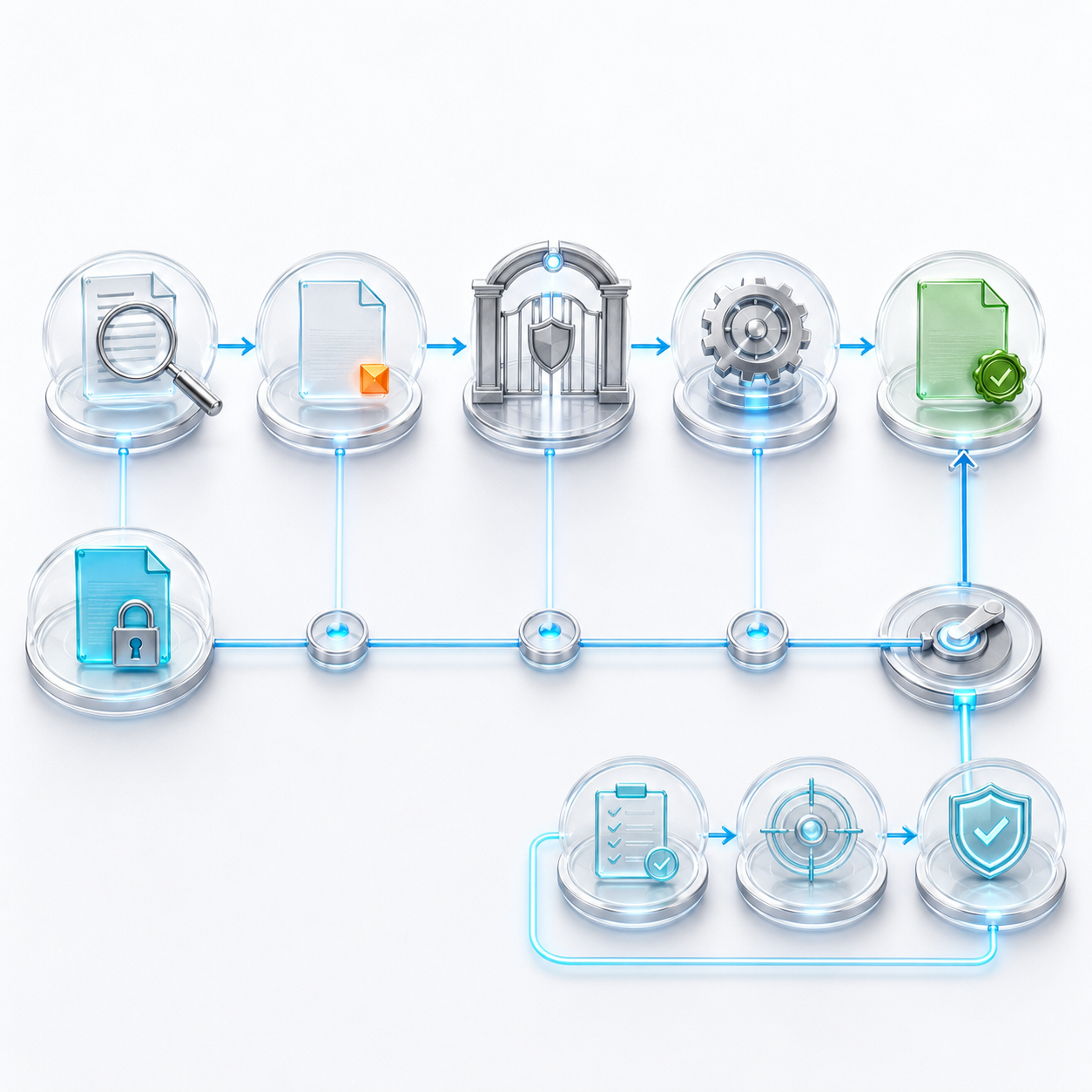
ISO records project stages so users can distinguish a review, draft, approval and published standard. That status should control the language used in policies, plans, websites and audit preparation.
Preparation can start before publication. Claims of conformity must still identify the actual published standard used.
DEVELOPMENT STAGES IN PLAIN LANGUAGE
From Review to Published International Standard
| Stage | What it means | How organisations should treat it |
|---|---|---|
| Systematic review | ISO members review whether an existing standard should be confirmed, revised or withdrawn. | Monitor the outcome. Do not assume a new edition will follow until a revision project is approved. |
| Working or committee draft | Technical content is being developed and debated within the responsible committee. | Use for awareness only. Content may change and is not the published conformity basis. |
| DIS | A Draft International Standard is circulated for member enquiry and voting. | Begin structured impact analysis, but keep decisions traceable to draft status. |
| FDIS | A Final Draft International Standard is submitted for final approval. | Prepare more detailed plans, while recognising that the published edition remains authoritative. |
| Under publication | Approval is complete and ISO is carrying out final production steps. | Prepare for release; do not describe it as published until ISO changes the status. |
| Published | The dated edition is issued as an International Standard. | Use the published text. Certified organisations must then follow formal transition information from relevant accreditation and certification bodies. |
WHY STANDARDS CHANGE
Revision Maintains Relevance—it Does Not Automatically Rewrite Everything
ISO standards are reviewed to determine whether they remain suitable. A revision may clarify language, align the harmonised structure, address emerging issues or change discipline-specific requirements.
HARMONISED STRUCTURE
Common Architecture Supports Integration—It Does Not Merge the Standards
ISO’s Annex SL harmonised approach gives management system standards a common structure and shared core terms where appropriate. This makes integrated management systems easier to design and use.
THE 2024 CLIMATE-ACTION AMENDMENTS
An Amendment Is Part of the Current Published Position
In February 2024, ISO published climate-action amendments across many management system standards. They require organisations to consider whether climate change is relevant to their context and recognise that interested parties may have climate-related requirements.
OTHER STANDARDS TO MONITOR
Current Editions and Projects Must Be Tracked Separately
The revision activity around ISO 9001 and ISO 14001 should not obscure the position of other management systems used by the organisation.
WHO HAS AUTHORITY FOR WHAT?
Standard Publication and Certification Transition Are Different Responsibilities
Authority is distributed. Confusion arises when a consultant’s forecast, certification-body plan or accreditation deadline is described as though ISO itself published it.
Consultants, software providers and training organisations may support preparation. They do not publish ISO standards, accredit certification bodies or issue an accredited management-system certificate unless separately authorised to perform that role.
PREPARING THROUGH OPERATION
Define, Communicate, Operate and Assure the Revision
A revision should not become a document-editing exercise. The organisation must understand changed expectations, alter the controls and workflows affected, prepare people and verify that the revised system works.
Published change → competent interpretation → mapped impact → owned actions → controlled implementation → evidence → internal audit and management review → certification transition

CONNECTED CHANGE WITHOUT DUPLICATION
Map Revised Requirements to the Controls That Actually Operate
A requirement should connect to the process, control, owner, workflow and evidence through which the organisation meets it. When an edition changes, this relationship reveals what needs review.
One control can support several requirements. One update should not automatically close every framework gap.
A CONTROLLED MONITORING WORKFLOW
Turn Standards Intelligence Into Managed Change
Organisations need a repeatable route for detecting, assessing and responding to published changes. The monitoring record should distinguish verified fact from commentary and retain the source used.
The frequency should increase when a project reaches DIS, FDIS or under-publication status. The organisation should still avoid making unapproved operational changes merely because commentary predicts a future requirement.
HOW ZEBSOFT SUPPORTS THE PROCESS
Operate the Transition Without Claiming to Interpret the Standard
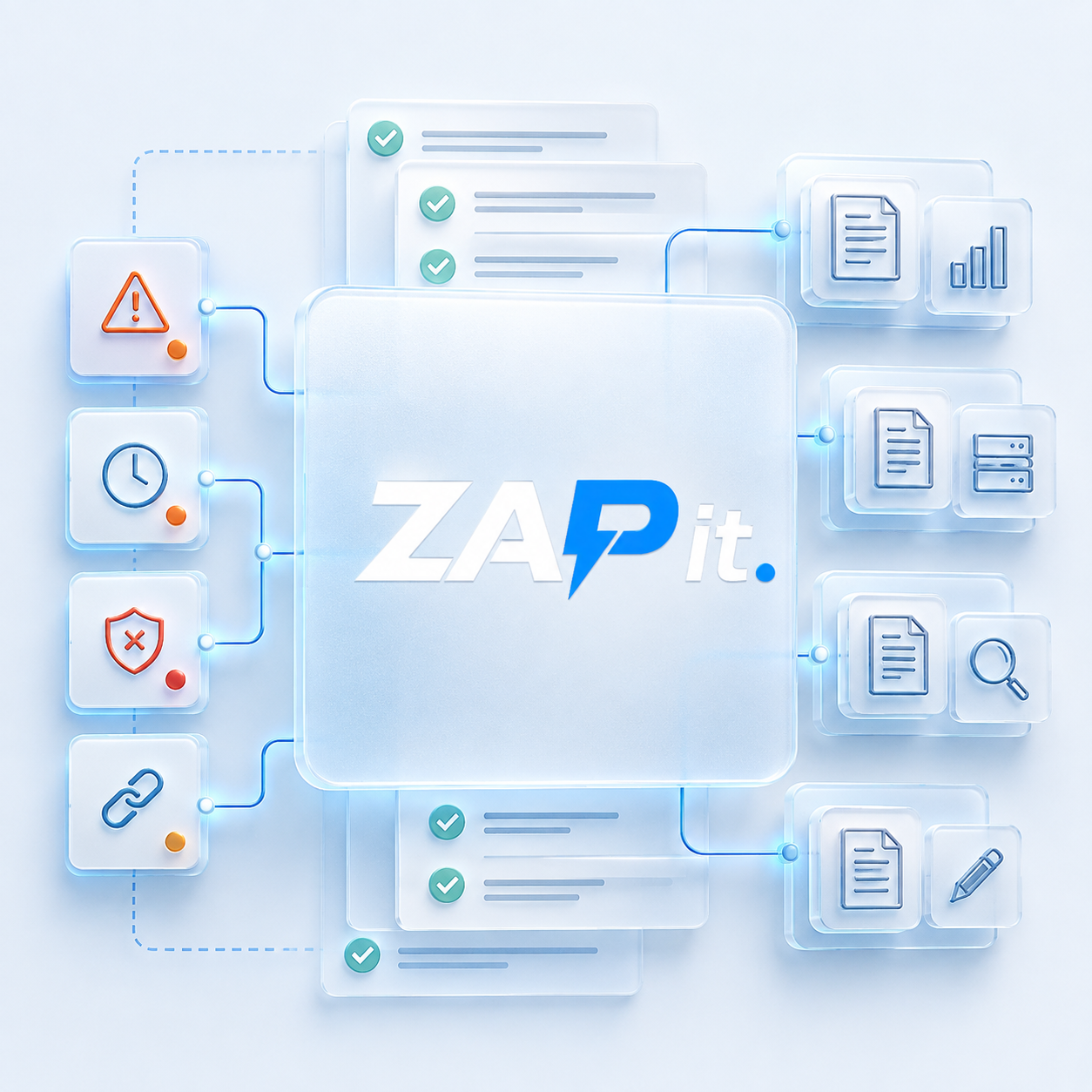
Zebsoft can connect approved requirements and revision decisions to operational change. The organisation’s competent people remain responsible for obtaining and interpreting the standards.
PRACTICAL TRANSITION CONTROLS
What a Complete Revision Plan Should Contain
The plan should be proportionate to the changes and the management system’s existing maturity. It must cover operation and evidence, not only rewritten documentation.
A document marked “updated” is not evidence that a changed requirement is operating. Closure should depend on suitable implementation evidence and review by the person authorised to accept the result.
RESPONSIBLE AI. AUTHORITATIVE SOURCES.
AI Can Assist Interrogation—it Cannot Publish or Interpret the Standard
Where enabled, AI can help authorised users interrogate approved internal information, summarise recorded actions and surface possible gaps for review. It must not invent a revision status, reproduce unlicensed standards content, determine conformity or replace competent interpretation.
MAINTAINING THE AUTHORITY RECORD
Accuracy Requires a Controlled Review Process
A standards-status page is itself controlled information. Every current statement should be capable of being traced to the source, reviewer and date used, and revised promptly when a project or transition position changes.
The visible status date tells the reader when the position was verified. Internally, the review should also retain who checked it, which source was opened, what changed and whether related standards pages, workflows or customer communications require action.
PRACTICAL QUESTIONS
ISO Standards and Revisions FAQs
Every answer below is tied to the status date shown above. Always recheck the linked primary source before relying on a transition or publication position.
What is the current edition of ISO 9001?
On 28 August 2026, ISO 9001:2015 with Amendment 1:2024 remains the published requirements edition. ISO shows Edition 6 as under publication for September 2026. Until ISO publishes it, organisations should not describe the new edition as the current standard.
Is ISO 14001:2026 now published?
Yes. ISO 14001:2026 was published in April 2026 as the fourth edition. ISO lists the 2015 edition and its 2024 amendment as withdrawn. Organisations with accredited certification should follow their certification body’s transition arrangements.
Has ISO 45001:2018 been replaced?
No. ISO 45001:2018 with Amendment 1:2024 remains the published requirements edition. A revised document is at DIS stage, which provides useful preparation information but is not a replacement standard.
What did the 2024 climate amendments change?
ISO published climate-action amendments across many management system standards. Organisations must consider whether climate change is a relevant issue in their context, and interested parties may have climate-related requirements. The effect must be evaluated within the organisation’s real scope and management system.
Does a new ISO edition immediately invalidate every certificate?
Not normally. Publication of a replacement standard and transition of accredited certification are related but distinct events. Transition arrangements set how certification bodies and certified clients move to the new edition. Confirm the applicable timetable directly with your certification body.
What happened to the International Accreditation Forum?
IAF ceased operating on 1 January 2026 when the new Global Accreditation Cooperation Incorporated began operating. Legacy IAF documents may remain temporarily applicable under Global ACI arrangements, but current international references should use Global ACI and the relevant accreditation body.
Can Zebsoft interpret a revised standard for us?
No. Zebsoft can structure approved requirements, map them to controls, coordinate change and retain evidence. Competent people remain responsible for obtaining the standard, interpreting requirements, assessing gaps and approving the revised management system.
How often should this page be checked?
The dated status should be reviewed whenever ISO changes a project stage, publishes an edition or amendment, or a relevant accreditation body publishes transition arrangements. The source link and date should remain visible so users can distinguish current fact from earlier reporting.
PRIMARY SOURCES AND NEXT ROUTES
Verify the Status—Then Prepare Operationally
Use ISO for editions and project stages, Global ACI and the relevant accreditation body for current cooperation or transition requirements, and the organisation’s certification body for its audit and certificate plan.