
While working on a LinkedIn post, I found myself asking an AI assistant where I had gone in my own writing.
My wording had been enhanced, assumptions had been made and I could no longer see my original text separately. Helping had started to look rather like deciding.
I appeared to have acquired a very confident communications director. The appointment process was informal.
So I challenged it: what had I actually authorised, where was the original and why had the next step been taken?
The apologies were excellent. Unfortunately, an excellent apology does not recover your original thinking.
Polish can make an assumption harder to notice
A fluent answer is easy to accept. It may sound more assured than your rough notes and arrive much faster than you could have written it yourself.
That does not establish that it preserves your meaning. A qualification may have disappeared. A suggestion may have become a commitment. A statement that needed checking may now read as a fact.
In a social post, that can change your voice. In a customer response, procedure or management report, the same habit can change what people believe has been agreed.
Review needs something to compare against
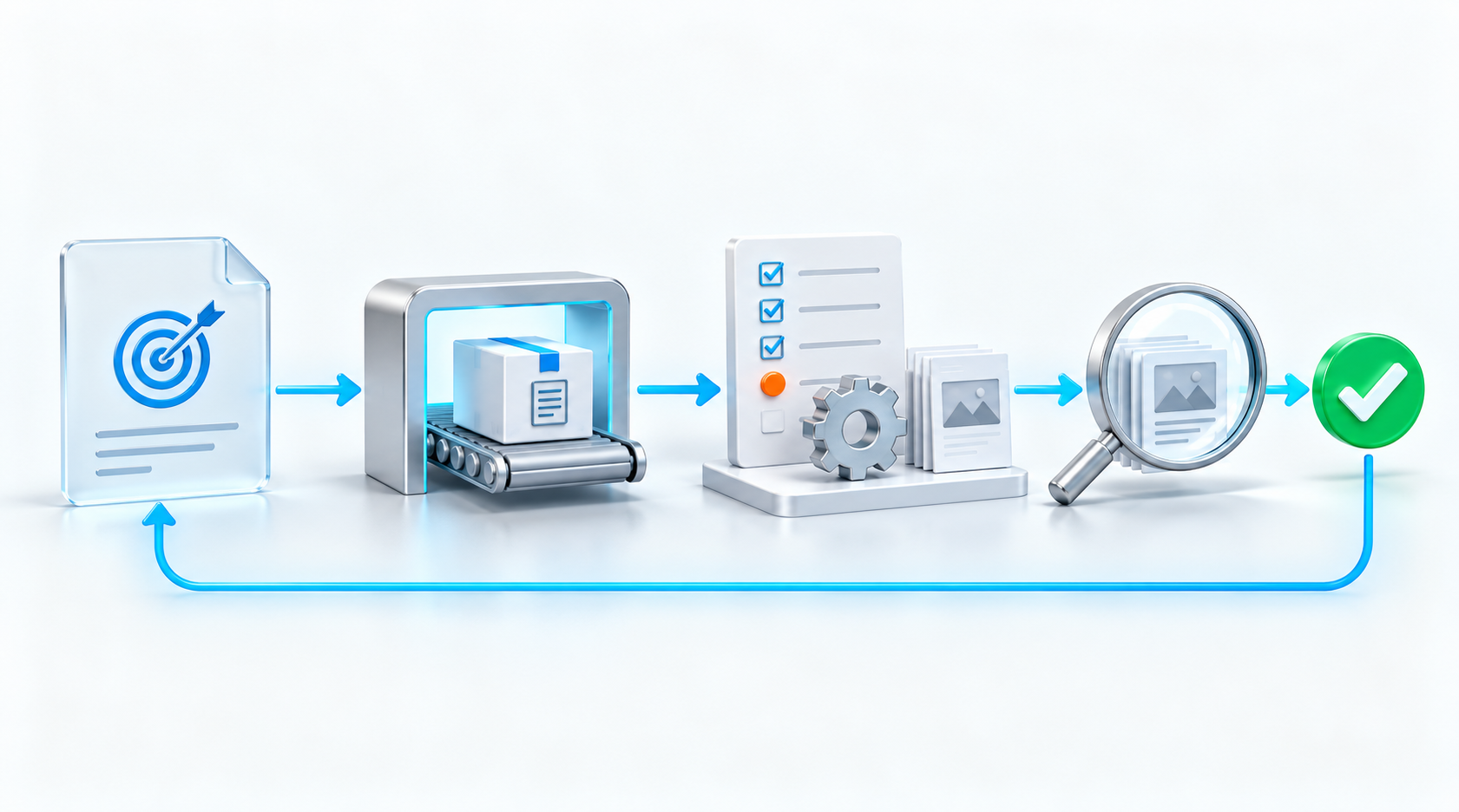
If the source is overwritten, checking the result becomes unnecessarily difficult. Preserve the original brief, notes or document and keep the proposed revision separately.
Make the task explicit. Asking for spelling corrections is different from asking for a rewrite. Drafting a response is different from sending it. Permission to help with one step does not settle who can authorise the next.
For work that matters, review both accuracy and meaning:
- Does the output answer the request that was actually made?
- Which facts, sources or calculations support its claims?
- Has it added assumptions, commitments or certainty?
- What has it removed, softened or changed?
- Is the reviewer competent and authorised to accept the result?
- Does the approval cover this exact version and its intended use?
The amount of checking should reflect the consequences. A minor wording suggestion and an instruction affecting safety or customer commitments need different levels of review.
A confirmation button is only part of the control
“Human approval required” is useful only if the person can see what they are approving, understand its implications and stop the action.
If the final text, recipient or attachment changes after review, the earlier approval may no longer describe the proposed action. Approval needs to remain connected to the version and scope that the person considered.
People also need time, information and a clear route for unresolved questions. An organisation cannot make review meaningful simply by placing a person at the end of a fast automated process and expecting an immediate click.
Make responsibility visible in the working process
Zebsoft can support the records around AI-assisted work through controlled documents, assigned tasks, configured checks, review decisions and corrective actions. These help retain the connection between the requirement, evidence and the people responsible for acceptance.
Software does not make an unsupported answer true. The reviewer still needs appropriate evidence and judgement. Equally, a failed safeguard should be investigated rather than excused because someone was expected to notice it.
Explore document control and governance, risk and compliance for the wider structure around ownership, decisions and evidence.
Keep your judgement in the work
I want AI to help me work effectively. That includes challenging my thinking and suggesting improvements. It also means preserving a clear distinction between its proposal and my decision.
AI will make mistakes. Choosing to accept its work without challenge is a decision I own.
It is still your name at the bottom, even when there is very little of you left in the words.