
By David Bowman, Co-founder of ZEBSOFT and multi-standard Lead Auditor
I have had three conversations today about pulling the plug on AI.
That tells me something about the uncertainty people are feeling. Businesses can see the benefits, but they are asking whether they can trust what comes back.
My view is that there is a practical way forward. Give people clear boundaries, establish what needs checking and require evidence where the outcome matters.
AI output validation means checking that an AI-generated answer or piece of work is accurate, supported and suitable for its intended use before relying on it.
It allows us to ask a more useful question: what would give us sufficient confidence to use this result?
A convincing answer is only the starting point
A well-written answer can look ready to use. It may be clear, detailed and expressed with confidence. None of those qualities establishes that it reflects your organisation’s actual circumstances.
Consider a tender response. AI might produce an impressive explanation of how your business manages supplier approval. But does that explanation match your process? Do the records exist? Has someone confirmed that the commitments being made can actually be delivered?
The document may read beautifully while making promises the organisation cannot support.
The same principle applies to procedures, training material, customer communications and management reports. Quality of presentation and validity of content require separate consideration.
How to validate AI output in practice
Before using an AI-generated result, establish six things:
| Check | Practical question |
|---|---|
| Intended use | What decision, action or communication will this support? |
| Accuracy | Have material facts, figures and references been checked against reliable sources? |
| Organisational fit | Does it reflect our actual capabilities, processes and circumstances? |
| Completeness | What relevant limitations, exceptions or requirements are missing? |
| Competent review | Does the reviewer understand the subject well enough to identify errors? |
| Acceptance | Who takes responsibility for releasing or using the result? |
The depth of checking should reflect the consequences of being wrong.
An internal brainstorming list may need only a quick review. A customer commitment requires confirmation from someone who understands what the business can deliver. An instruction affecting safety needs appropriate specialist verification before anyone follows it.
The purpose is to apply attention where it has value.
A worked example: an AI-written tender answer
Imagine AI drafts this statement:
“All suppliers are reviewed annually, and corrective actions are tracked to closure.”
Before accepting it, the reviewer needs to establish whether:
- The approved supplier process requires an annual review.
- The review records support the claim about all suppliers.
- Corrective actions are recorded and their completion verified.
- Any exceptions need to be explained in the response.
If the evidence supports a narrower statement, change the answer. If the review exposes a gap in the process, assign an action.
Retain the approved wording and supporting records where the commitment warrants it. That creates a traceable basis for the answer.
A tick marked “reviewed” tells you much less.
People need the competence to check
Giving someone responsibility for reviewing AI output only works if they can recognise when it is wrong.
A person may be able to generate a convincing technical explanation without being able to assess its accuracy. Review arrangements should account for that gap.
For roles using AI, define which tasks are permitted, what subject knowledge is required and when specialist review is necessary. Reflect those expectations in training and competence assessments.
A useful assessment asks the person to explain the result, identify a weakness or demonstrate the supporting evidence. An elegantly written response alone provides limited evidence of understanding.
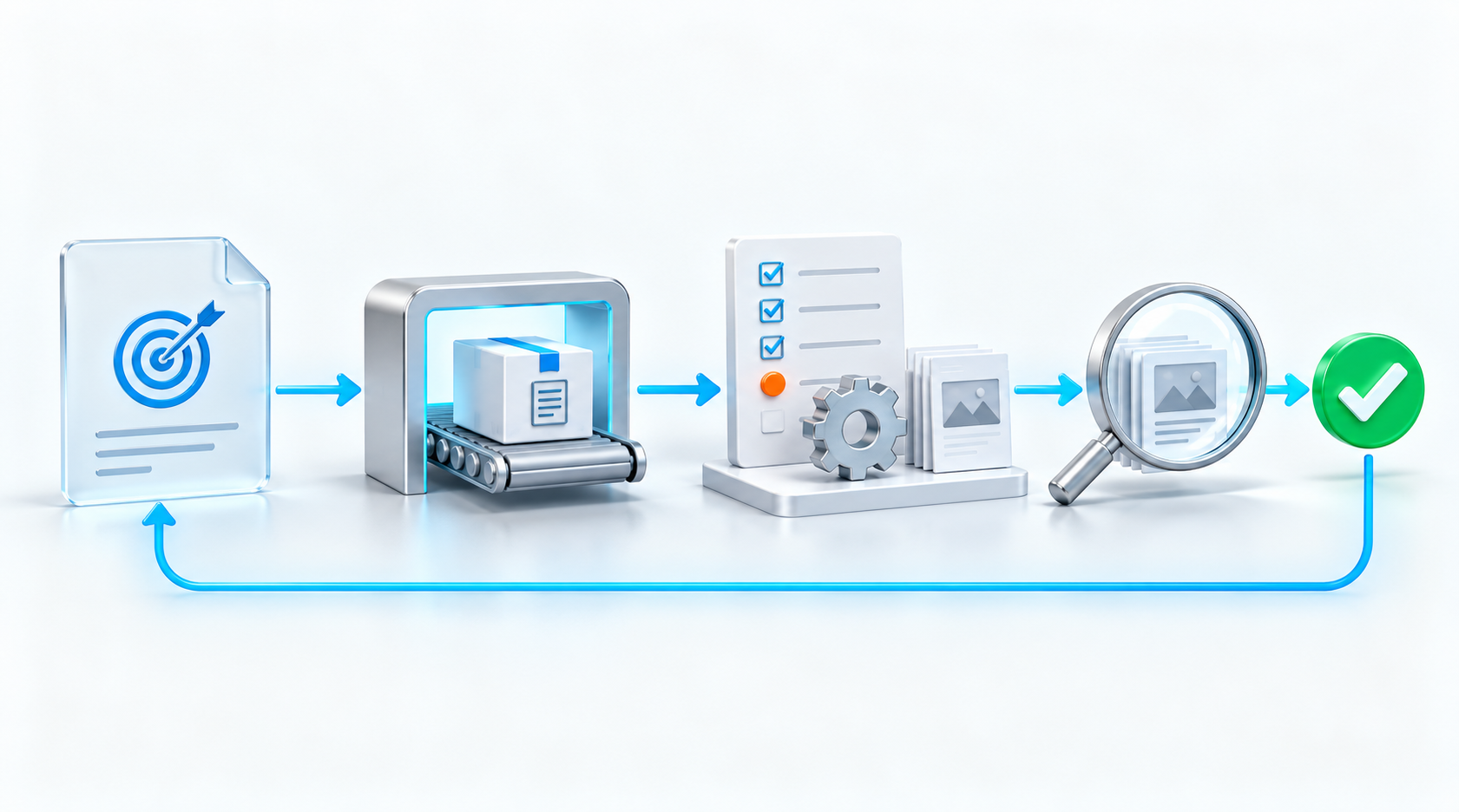
Apply Define–Communicate–Assure
My DCA philosophy provides a simple structure for this approach.
Define
Establish what the output must achieve, the permitted use of AI and the evidence needed to accept the result. Make the requirements specific enough to check.
For a tender response, that might mean every material statement about business capability must be supported by a current record or confirmed by the responsible owner.
Communicate
Make sure the people using AI understand what is expected of them, which checks they must carry out and when to ask for help.
For example, when using AI to draft a tender response, explain that every statement about what the business can deliver must be checked against what it actually does. Anything they cannot confirm should be referred to the person responsible before the response is sent.
Assure
Verify that the requirements have been met. Use a competent reviewer, retain proportionate evidence and deal with anything that remains unresolved before release.
The aim is confidence grounded in something observable.
Should you ban AI at work?
Some uses may warrant a restriction or a pause, particularly where information handling or the consequences of error cannot be adequately controlled.
For other uses, a defined and supervised approach may allow the organisation to retain the benefits.
Before choosing a blanket ban, establish how people are already using AI and why. A restriction on an approved tool does not, by itself, establish that people have stopped using personal tools.
Staff need a workable route for permitted use, clear information boundaries and a way to raise uncertainty. Output validation is one part of that arrangement; choosing appropriate tools and controlling what information goes into them also matter.
How ZEBSOFT supports AI output validation
ZEBSOFT can structure the work around an AI-generated output through configurable ZAP workflows.
A workflow can capture the intended use, assign checks, collect supporting evidence and route the result for review and approval. Document control, training records and corrective actions support the wider process.
For example, a tender validation workflow could require the author to attach the draft, link evidence for material claims and submit it to the responsible manager. Unsupported statements can be returned for correction before approval.
ZEBSOFT records the checks and decisions. Establishing whether the content is acceptable still requires suitable evidence and competent judgement.
Use AI with confidence. Validate what matters.
Start with one recurring task where AI is already being used. Define an acceptable result, identify the necessary checks and name the person responsible for acceptance.
Apply those checks to a real example. You will quickly see where AI helps, where judgement is needed and where your existing controls need strengthening.
That is a practical starting point for turning concern into confidence.
Book a ZEBSOFT demonstration to explore how ZAP workflows can support evidenced review and approval of AI-assisted work.