SUPPLIER MANAGEMENT FOR US TEAMS
Supplier Management Software for US Teams
Stop Chasing Suppliers. Manage the Relationship.
ZEBSOFT helps US procurement, quality and operations teams connect supplier onboarding, approval, documents, risk, performance and corrective action throughout the supplier relationship.
Maintain a shared view of domestic and overseas suppliers, with accountable owners, current evidence and review decisions across facilities and business units.
THE SUPPLIER LIFECYCLE
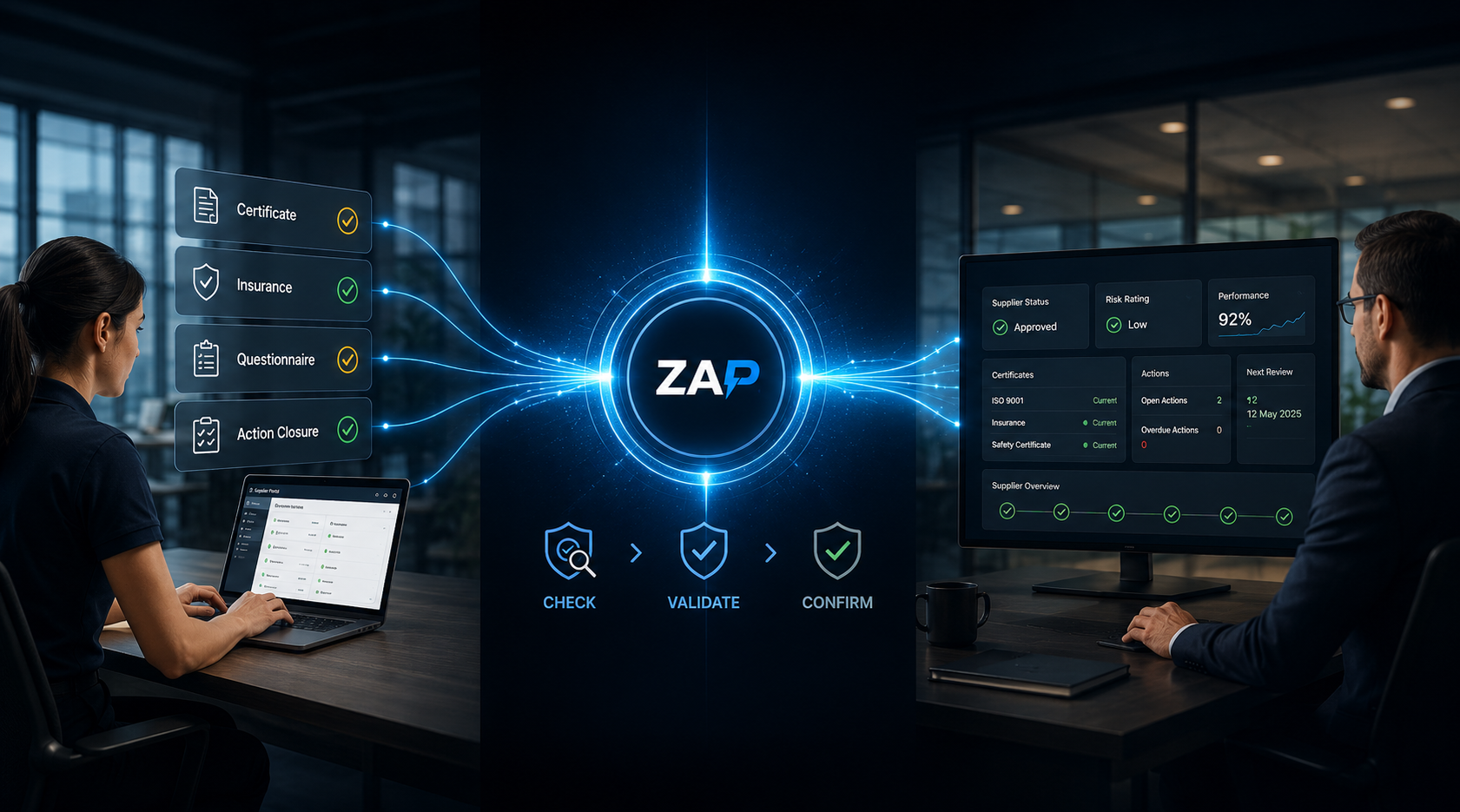
One Supplier Lifecycle From Discovery to Review
Connect each stage of your supplier relationship, from initial vendor onboarding through qualification, approval and ongoing review. Route detailed assessments and evidence requests to the people responsible for the decision.
01
Discover
Create or identify the supplier and record why the relationship is being considered.
02
Onboard
Collect the core identity, ownership, scope, contacts and required supplier information.
03
Assess
Apply the appropriate criteria, evidence checks, risk review or due diligence.
04
Approve
Retain the accountable decision, status, conditions and future review requirement.
05
Monitor
Track performance, expiry, incidents, changes, findings and emerging supplier risk.
06
Collaborate
Exchange selected requests, evidence and actions with external suppliers where the portal is included.
07
Review
Reassess suitability, close or extend actions, reapprove, restrict or retire the relationship.
A supplier rarely remains exactly as first approved. Services change, ownership moves, certificates expire, performance varies and operational dependencies become more or less significant. The lifecycle view prevents onboarding from being treated as a one-time administrative gate. It gives each subsequent decision a place in the relationship and provides a clear route into the specialist approval, compliance, collaboration, risk or audit process when more detailed control is required.
THE CONNECTED SUPPLIER RECORD
Keep One Supplier Record at the Center
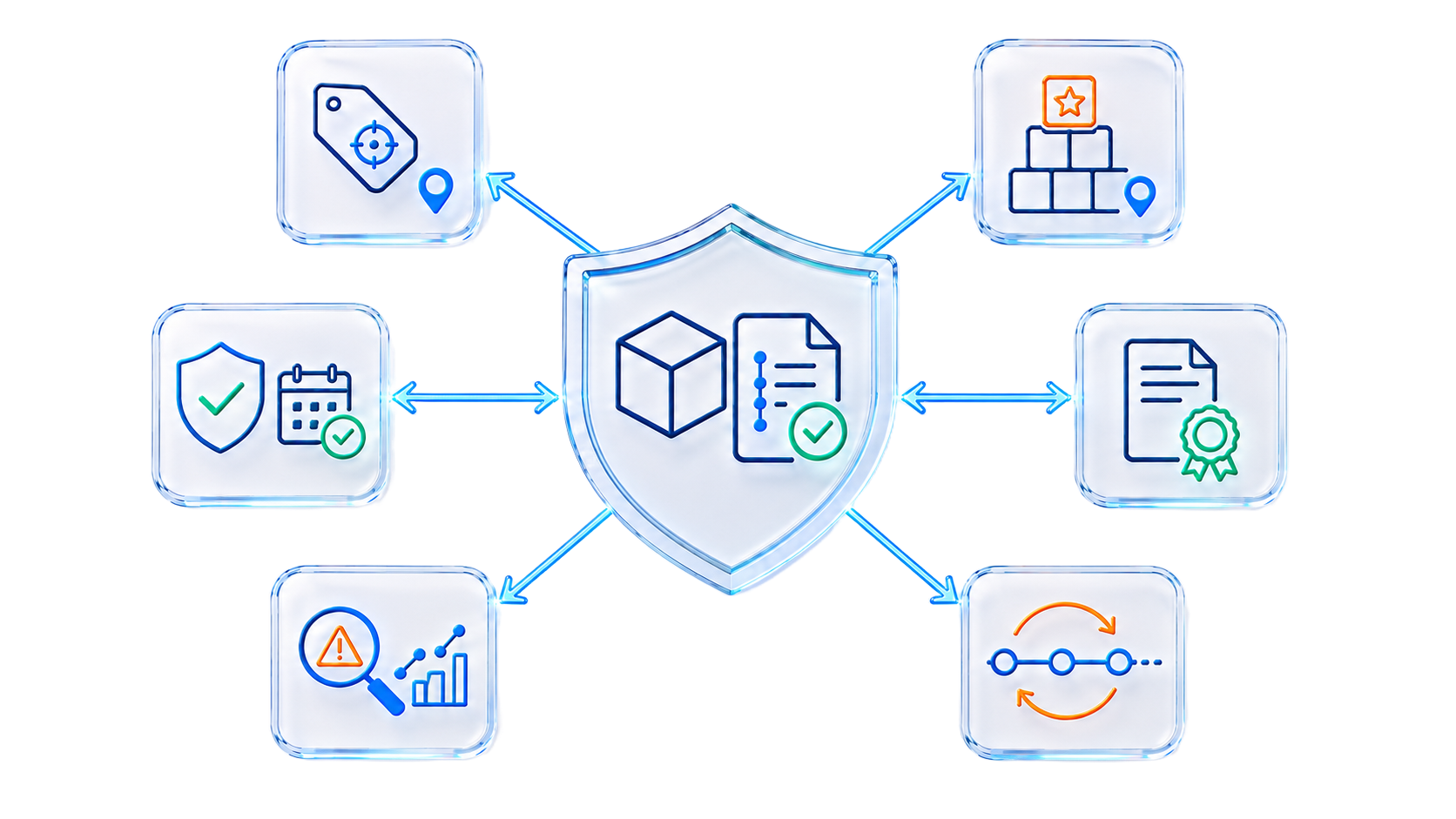
The supplier record provides the stable point around which the relationship can develop. It identifies who the supplier is, what they provide, who owns the relationship and which controls or reviews apply.
Related activity can then be connected without forcing everything into one oversized form.
Procurement sees the supplier. ZEBSOFT connects the relationship.
CHOOSE THE RIGHT PATHWAY
Connect Supplier Qualification, Evidence and Oversight
Give each supplier activity a clear purpose. Qualification establishes suitability, evidence reviews support continued approval, and audits and corrective actions help teams address weaknesses across the relationship.
Approval and evaluation
Define decision criteria, request evidence, review or score the response and retain the approval outcome.
Compliance and evidence
Maintain the selected supplier records, documents and expiry position required during the relationship.
External collaboration
Give approved external users controlled access to relevant requests, evidence and actions where the portal scope is included.
Audit and assurance
Plan supplier audits, retain findings and evidence, and connect corrective actions to the supplier relationship.
AI Validation
Using AI in this process? Validate what matters.
AI can help prepare assessments, documents and recommendations. Before relying on the result, establish what needs checking, who is responsible and what evidence supports acceptance.
ZEBSOFT connects AI-assisted work to structured checks, competent review and recorded approval—helping you use AI with confidence.
THE 70/30 OPERATING MODEL
Most Supplier Control Is Defined. Assurance Keeps It Current.
The 70/30 model illustrates the balance between defined supplier information and ongoing review; it is not a measured allocation of effort. Keep both visible so a stored certificate or past approval is assessed against current conditions.
70%
Defined supplier structure
Identity, scope, classification, ownership, criteria, policies, contractual requirements, approved evidence types and planned review arrangements.
This is the controlled foundation that explains what should be known and what should happen.
30%
Live assurance activity
Requests, checks, approvals, expiries, audits, incidents, performance changes, corrective actions, notifications and review decisions.
This is the activity showing whether the defined controls remain current.
A US MANUFACTURING EXAMPLE
Qualify a Critical Supplier Across US Facilities
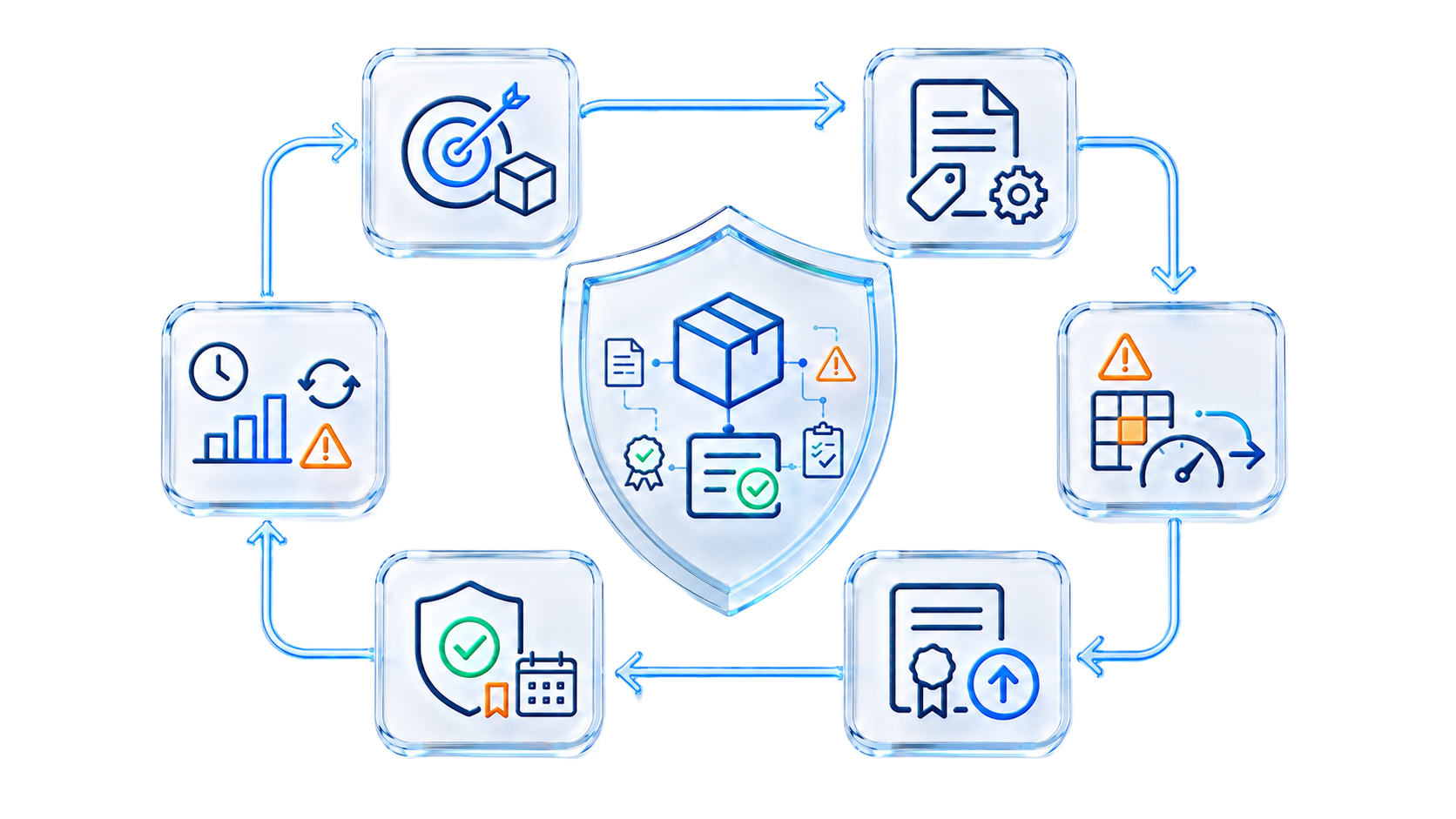
A US manufacturer introduces a component supplier serving two facilities. Procurement needs a clear approval decision, quality needs qualification evidence, and operations needs visibility of the dependency and any outstanding conditions.
When a certificate expires or a defect recurs, the responsible team can review the supplier record, affected facilities and outstanding actions before deciding whether approval should continue.
SHARED VISIBILITY, DIFFERENT RESPONSIBILITIES
Give Each Function the Supplier View It Needs
Procurement
See relationship ownership, approval position, review dates and the evidence informing commercial decisions.
Quality and compliance
Review applicable criteria, current controlled evidence, audits, findings and corrective-action status.
Risk and operations
Identify critical dependencies, operational exposure, incidents, change and continuity-related action.
Leadership and assurance
Examine exceptions, overdue activity and the evidence supporting supplier-governance decisions.
PORTFOLIO ASSURANCE
Know Where Supplier Attention Is Required
Supplier management software should help responsible people move from an individual supplier record to the wider portfolio position.
Displayed status and alerts depend on the agreed fields, rules and workflows. ZEBSOFT makes the configured position visible; accountable people retain the supplier decision.
Questions your supplier records should answer
Who owns the relationship?
Why is the supplier approved?
What evidence is current?
What has changed?
What needs attention next?
CONNECTED TO THE MANAGEMENT SYSTEM
Supplier Assurance Does Not Operate in Isolation
Supplier records can support wider quality, risk, document and audit processes. Use the relationship that adds operational value; avoid linking data simply because the software can.
Quality management
Connect supplier suitability, nonconformity and corrective action to the wider quality system.
Document control
Maintain approved supplier requirements, procedures and supporting information under controlled review.
Risk management
Relate supplier criticality and exposure to the organization’s wider risk and control structure.
Audit management
Connect audit evidence, findings and accountable action to the supplier and affected process.
CONFIGURED AROUND THE RELATIONSHIP
Start With the Suppliers and Decisions That Matter
Start with your US facilities, supplier categories, internal owners and approval responsibilities. Agree required evidence, review schedules and how domestic and overseas suppliers will participate. Assess existing vendor lists and records for a phased import.
Agree the fields, workflows and history needed to support supplier decisions. Discuss US time-zone coverage, training arrangements and data-location requirements with the UK-based team before confirming implementation scope.
US SUPPLIER MANAGEMENT QUESTIONS
Supplier Management Software FAQs for US Teams
What is supplier management software?
It provides a structured system for managing supplier identity, ownership, approval position, supporting information, risk, performance, actions and review throughout the relationship lifecycle.
How does supplier management differ from supplier compliance?
Supplier management covers the whole relationship: onboarding, ownership, qualification, approval, performance and review. Supplier compliance workflows focus on the evidence and requirements that support those decisions.
How does supplier approval fit into the lifecycle?
Approval records whether a supplier meets your defined criteria, including any conditions and review dates. Evidence, performance issues and changes can trigger reassessment throughout the relationship.
Can suppliers maintain their own information?
Where an external portal is included, suppliers can be given controlled access to selected requests, records and actions. Internal users retain the relevant review and approval responsibilities.
Can existing supplier records be imported?
Existing supplier lists and related records can be reviewed for migration or structured import. Source quality, required history, target fields and evidence files are assessed before the transfer scope is agreed.
Can the platform support different supplier types?
Supplier classifications, criteria, ownership and review routes can be configured around products, services, contractors, critical providers or other categories agreed during implementation.