
CONNECTED AUDIT ASSURANCE

Audit Management Software for US Teams

From Audit Program to Verified Closure

ZEBSOFT audit management software connects planning, fieldwork, evidence, findings, corrective action and follow-up for US teams. Manage internal audits, supplier audits and operational reviews across facilities with clear ownership, consistent records and a visible route to verified closure.

The purpose is not simply to produce an audit report. It is to show what was checked, what evidence was considered, what needs to change, who owns the response and whether the action was verified as effective. 

  • Plan a risk-informed program across sites, processes and standards
  • Use controlled questions, criteria and evidence requirements
  • Turn findings into owned actions with target dates and escalation
  • Verify closure and retain the complete decision and evidence trail
Audit management workflow from programme and evidence to actions and verified assurance

AUDIT IS A CONTROL PROCESS

A Completed Checklist Is Not the Same as a Closed Audit

A checklist can record answers, but reliable assurance also depends on scope, criteria, competent auditors, objective evidence, consistent findings, accountable action and follow-up. Audit management software should connect those parts while leaving professional judgment with the auditor and the organization. 


The audit record

Records objectives, scope, criteria, participants, questions, evidence and conclusions for a specific audit activity. 


The improvement route

Converts findings into proportionate correction, root-cause work, corrective action and accountable completion. 


The assurance position

Shows program coverage, overdue activity, recurring themes, verified closure and areas that still require management attention. 

ZAP structures the route and preserves traceability. It does not replace auditor competence, independence, evidence evaluation or management responsibility.

ONE CONNECTED LIFECYCLE 

From Program to Evidence of Improvement

The workflow keeps the audit itself and the response to its findings inside one traceable chain. 


Program

Define coverage, priorities, frequency, resources and responsibilities. 


Plan

Set objectives, scope, criteria, team, timing and methods. 


Execute

Use controlled questions and capture relevant evidence.


Find

Record conformity, nonconformity and improvement observations.


Act

Assign correction, cause analysis and corrective action. 


Verify

Review evidence and determine whether closure is justified. 


Learn

Report themes, recurrence, coverage and changes to the program. 

MANAGE THE PROGRAM, NOT JUST INDIVIDUAL AUDITS 

Direct Audit Effort Where Assurance Is Needed

US operations may share corporate procedures while facilities have different processes, customer requirements and local risks. ZEBSOFT can structure the audit program by facility, process, department, supplier or standard, retaining the reason for coverage and changes as operations evolve. 

  • Define program objectives, responsibilities and reporting expectations
  • Schedule recurring and one-off audits with named ownership
  • Relate audits to applicable processes, risks, obligations or suppliers
  • Select an appropriate audit team and record relevant competence
  • Make overdue or deferred audits visible rather than silently moving dates
  • Review coverage and outcomes when risk, performance or operations change

Frequency and depth remain organizational decisions. The system makes the chosen program visible and easier to review.
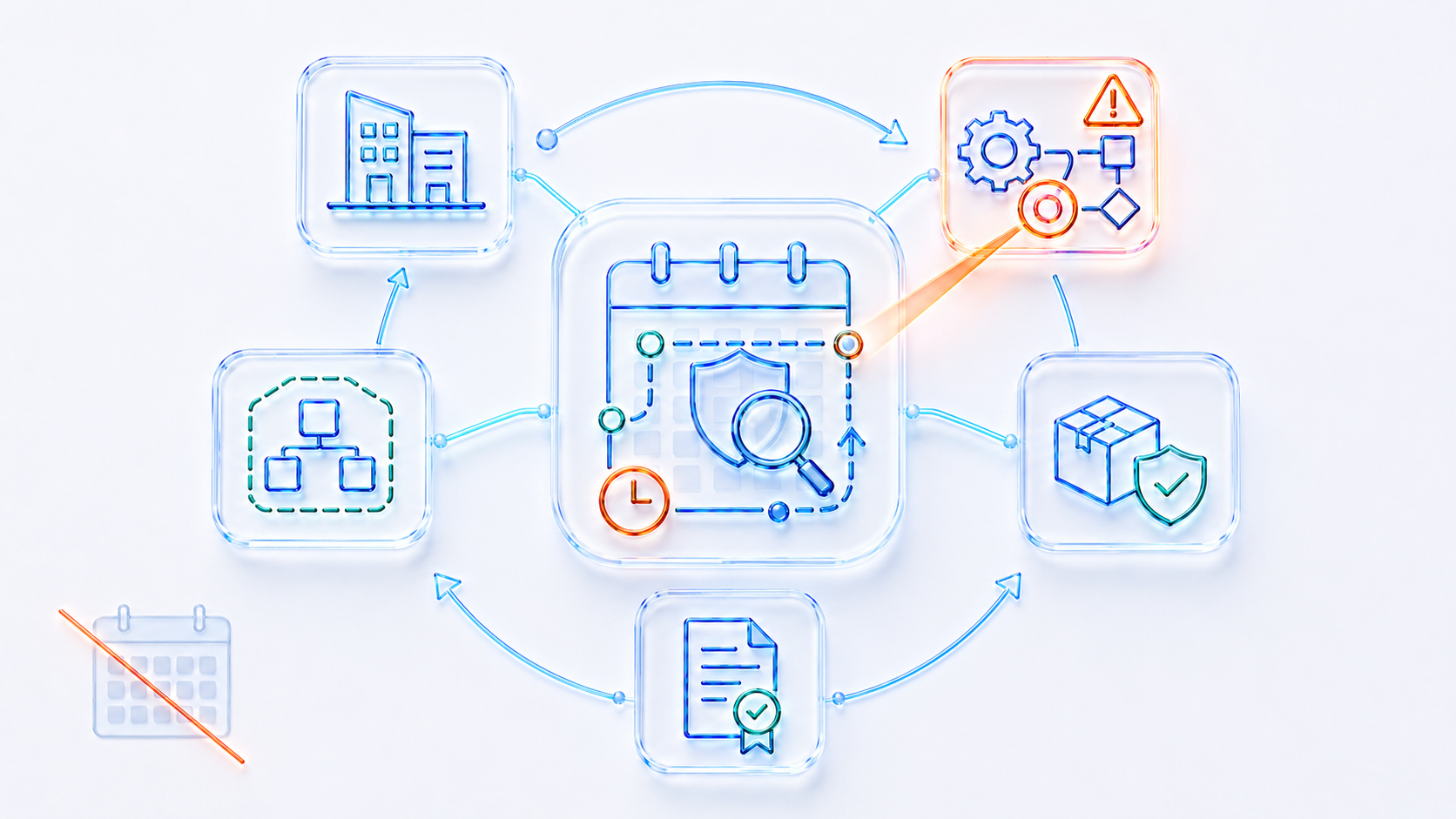
ZAP audit programme showing planned audits scope owners status and dates

CONSISTENT EXECUTION, PROPORTIONATE EVIDENCE

Give Auditors Structure Without Removing Judgment

Reusable templates support consistency, but an audit is not improved by asking every question every time. The audit plan and current context should determine which questions, samples and evidence are relevant.


Controlled criteria

Use approved questions, references and acceptance criteria so auditors understand what is being assessed. 


Logic and scoring

Use conditional routes and scoring where they help prioritize follow-up without turning judgment into an unexplained number.


Evidence capture

Attach or reference documents, records, photographs and observations in proportion to the finding and access rules. 


Review and sign-off

Record review, acknowledgment or approval where the configured audit method requires it. 

Templates can be cloned and reused for recurring activity, while controlled updates prevent obsolete questions from quietly remaining in circulation.
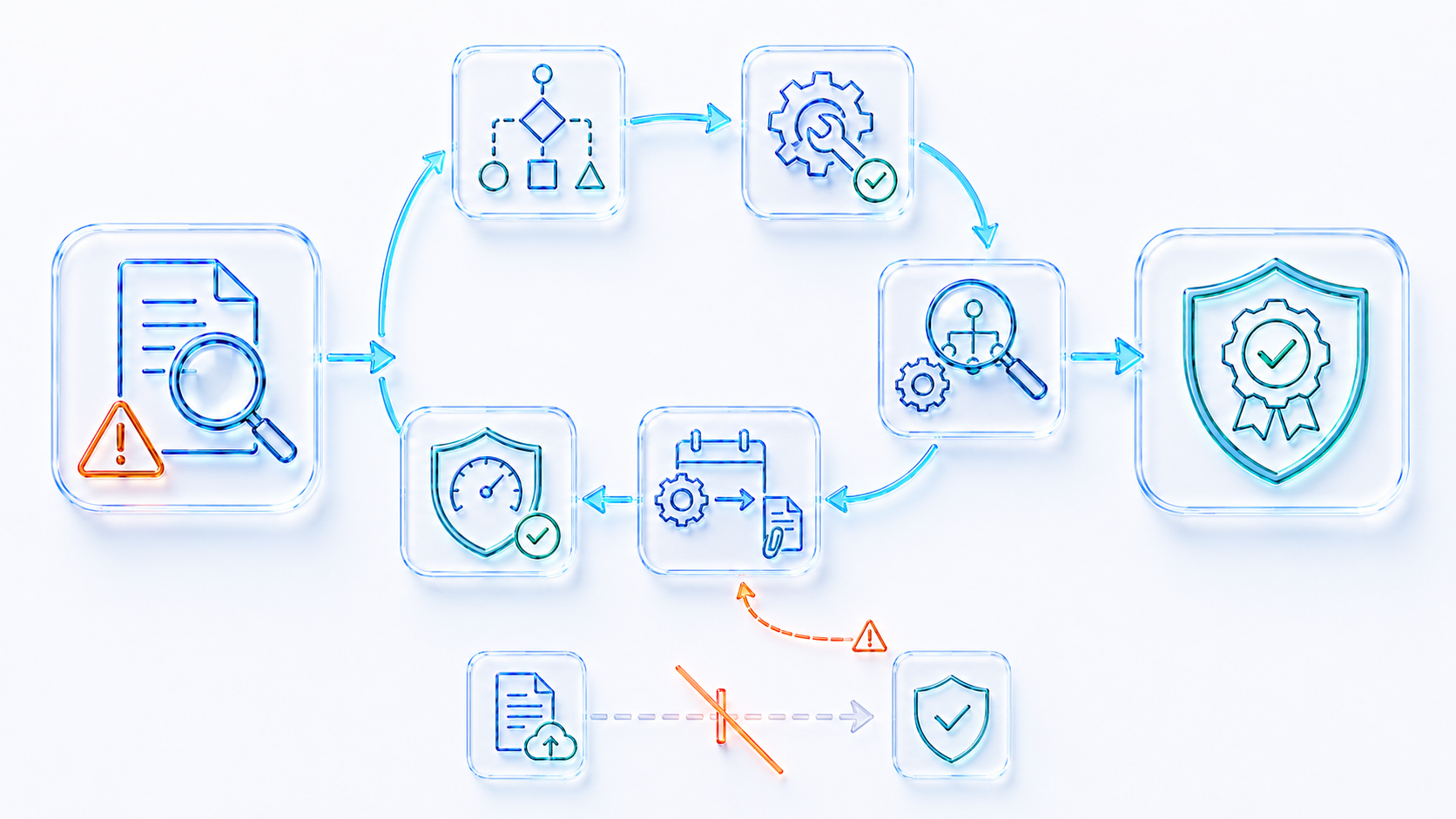
ZAP audit finding linked to corrective action evidence and effectiveness review

CLOSE THE LOOP 

A Finding Is Only the Start of the Response

Weak audit systems mark a finding closed when someone uploads a file or ticks an action complete. Connected assurance separates the stages so the organization can see whether the immediate issue was corrected, whether the cause was addressed and whether the response worked. 

  • Describe the finding against the relevant criterion and supporting evidence
  • Classify the finding using the organization’s agreed method
  • Assign immediate correction where necessary
  • Determine when root-cause analysis and corrective action are required
  • Allocate actions to named owners with dates and evidence expectations
  • Review submitted evidence before accepting completion
  • Perform an effectiveness check where the risk or procedure requires one
  • Reopen or escalate action when closure is not supported

ZAP provides the workflow and audit trail. The organization defines its classifications, authorities, due dates and closure  rules.

A PRACTICAL EXAMPLE 

How One Process Audit Becomes Operational Assurance

Consider a US manufacturer with two facilities using the same supplier. One facility has accepted a replacement material without the required approval. An internal audit must establish what happened, which orders are affected and whether the approval controls work at both locations. 

01 

Set the scope

Define both facilities, purchasing activities, approval criteria and a sample of orders and material changes.

02 

Examine practice

Compare the approved supplier and material requirements with actual purchase orders, change approvals and receiving records. 

03 

Record evidence

Retain order numbers, approval records and material references so another reviewer can follow the evidence. 

04 

Raise the finding

Record the approval gap against the applicable procedure and assign the finding to the responsible process owner. 

05 

Control the response

Track containment or correction, investigate the cause and assign corrective action with owners, dates and evidence requirements. 

06 

Verify and learn

Sample later orders at both facilities to test effectiveness, then update supplier reviews and future audit coverage. 

ONE METHOD, DIFFERENT AUDIT CONTEXTS 

Apply the Capability Across the Organization

Each audit type needs appropriate scope, competence and criteria. A connected platform allows common control of programs, evidence, findings and actions without pretending every audit is identical.


Management-system audits

Plan internal audits across ISO 9001, ISO 14001, ISO 45001, ISO 27001, ISO 13485, ISO 22301 or an integrated management system. 


Supplier and contractor audits

Assess approved arrangements, capability, evidence and agreed requirements, then link findings to the supplier response. 


Operational and site audits

Check whether defined controls, processes, inspections and responsibilities are operating in practice. 


Compliance audits

Test applicable requirements using criteria approved by your team for each facility, customer or contract. Your specialists determine which obligations apply. 


Customer and external-audit readiness

Coordinate requested evidence, responsibilities and resulting actions without presenting preparation as certification. 


Multi-site programs

Coordinate audits across US facilities using a common structure while retaining local scope, criteria, owners, evidence and results. 

ACCOUNTABILITY BY DESIGN 

Keep Roles Distinct Throughout the Audit

Clear roles help protect audit objectivity and prevent actions from disappearing between the auditor, process owner and management team. 


Program manager

Sets program priorities, resources, coverage, reporting and review arrangements. 


Auditor or audit team

Plans and conducts the audit, evaluates evidence and records conclusions within authorized scope. 


Process or action owner

Responds to the finding, completes agreed action and provides supporting evidence.


Reviewer or management

Accepts closure where authorized, evaluates trends and decides what further assurance is needed. 

MANAGEMENT VISIBILITY 

See the Position Before the Next Review Meeting

Dashboards should help managers identify where attention is needed without replacing examination of the underlying evidence. ZEBSOFT can surface the current program and action position across authorized sites, teams and audit topics. 

  • Planned, active, completed, overdue and deferred audits
  • Open findings by classification, owner, site or process
  • Corrective actions approaching or exceeding their target dates
  • Items waiting for evidence, review or effectiveness verification
  • Repeated themes and areas with weak audit coverage
  • Status summaries suitable for management review and follow-up

Trend information supports prioritization. It must still be interpreted in context: more findings can indicate deteriorating control, deeper audit coverage or better reporting.
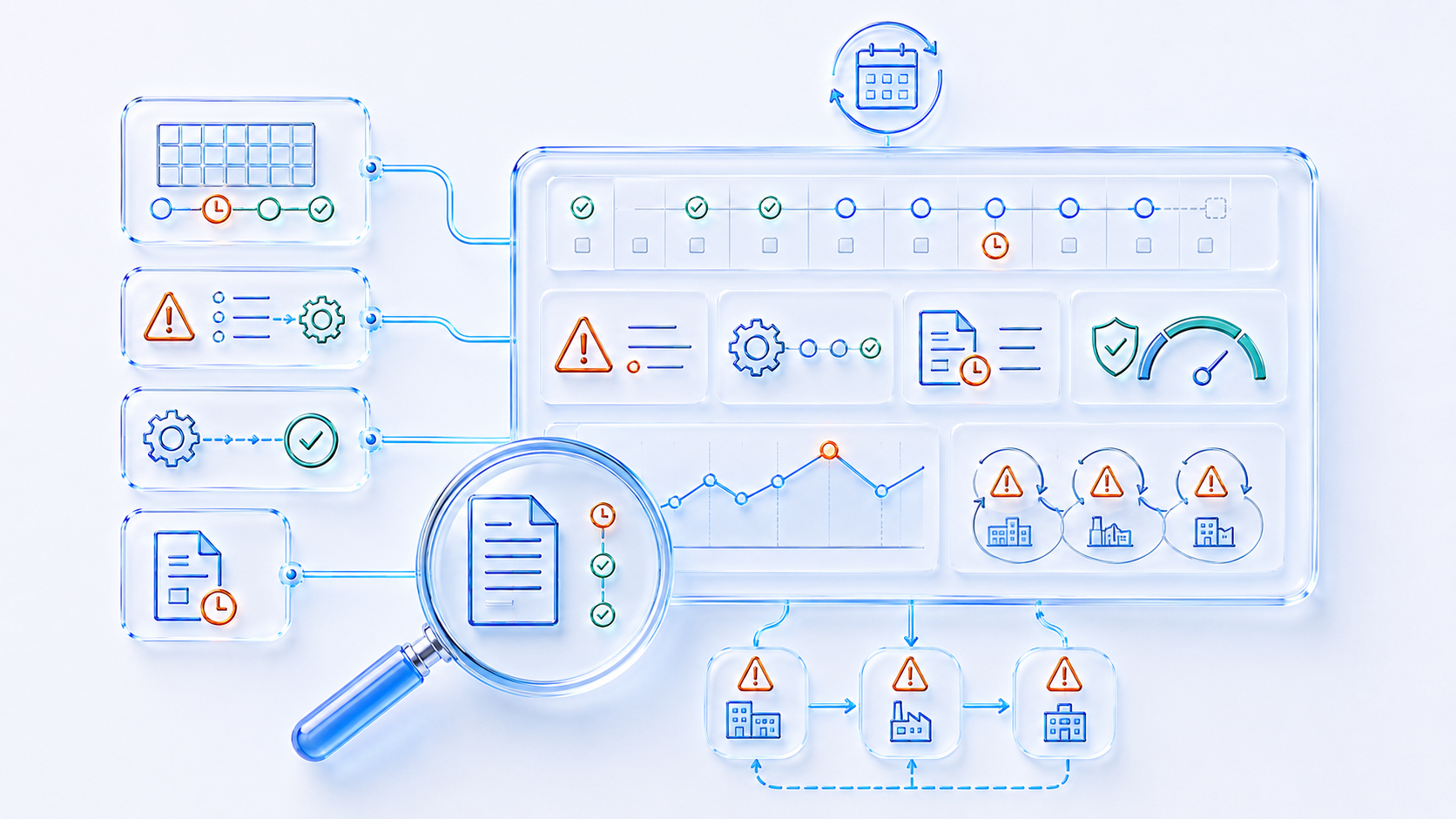
ZAP audit dashboard showing programme coverage findings overdue actions and verification status

AUDITS CONNECT TO THE SYSTEM THEY TEST 

Turn Findings Into Wider Management-System Learning

An audit becomes more useful when its evidence and outcomes connect to the controls responsible for performance.


Risk management

Use audit outcomes to review risks, controls and assurance priorities.

Explore risk management → 


Document control

Reference approved policies and procedures, then raise controlled changes where needed.

Explore document control →


Training and competency

Relate findings to awareness, training, competence and auditor-development needs.

Explore training and competency →


Supplier assurance

Connect supplier findings to approval, performance, actions and collaboration.

Explore supplier approval →

For integrated ISO programs, connect audit evidence and actions to the Integrated Management System and QMS software pages. 

AUDIT GUIDANCE AND SOFTWARE BOUNDARIES 

Designed to Support a Controlled Audit Method

ISO 19011:2026 provides current international guidance on auditing principles, managing audit programs, conducting management-system audits and evaluating auditor competence. ZEBSOFT can support the records and workflow around an organization’s chosen audit method; it does not certify an organization or make an audit conform to ISO 19011 automatically.


Configure to your method

Set terminology, classifications, routes, permissions and evidence expectations around the approved procedure. 


Retain professional judgment

Auditors determine relevant evidence and conclusions; authorized managers determine acceptable responses and closure. 


Review the system itself

Audit the configuration, templates, access and workflow periodically so the tool does not preserve an obsolete method. 

COMMON QUESTIONS 

Audit Management Software FAQs for US Teams

Can ZEBSOFT manage an internal audit program?

Yes. The system can structure planned audits, ownership, scope, criteria, status, results and follow-up across sites, processes and standards. The organization defines its program priorities and resources.

Can we reuse audit checklists?

Yes. Controlled templates can be reused or cloned for recurring audits. They should still be reviewed for current scope, risk, criteria and relevance before use. 

How are findings and CAPA linked?

A finding can initiate correction, cause analysis, corrective action, evidence submission, review and effectiveness verification through a configured route with named ownership and history. 

Does ZEBSOFT guarantee ISO compliance?

No. The platform supports controlled audit records and workflow. Compliance depends on the organization’s management system, audit method, competent people, evidence and decisions. 

Can suppliers respond to audit actions?

Where the appropriate supplier portal and permissions are configured, suppliers can be given a controlled route to respond, submit evidence and complete assigned activity without receiving unrestricted internal access.  

Can management see open audit risk?

<p>Dashboards and reports can show program status, findings, owners, dates and verification stages. Management must interpret those indicators alongside risk, context and the underlying evidence.</p>

ZAP IT. KNOW IT. FIX IT. 

Make Every Audit Lead to a Visible Outcome

Bring one US internal or supplier audit workflow to a demonstration. Explore how your facility scope, checklists, findings, CAPA and closure rules could connect. Discuss rollout, time-zone coordination and access requirements with our UK-based team during scoping.