ZAP QMS Software
Quality Management Software That Keeps Quality Working
Bring documents, processes, audits, risks, nonconformities, corrective actions and improvement activity together in one connected quality management system.
Zebsoft QMS software helps you define how work should be done, communicate it to the right people and assure that it continues to happen across everyday operations.


What Is QMS Software?
Quality management system software provides a structured way to control the information, responsibilities and activities that determine the quality of an organisation’s products and services.
It replaces disconnected spreadsheets, shared folders, email trails and standalone registers with one controlled system. Documents can be approved and communicated, audits can generate actions, issues can be investigated and improvements can be checked for effectiveness.
A QMS should do more than store evidence for an audit. It should help people understand what is expected, identify when something has gone wrong and ensure that the resulting action is completed.
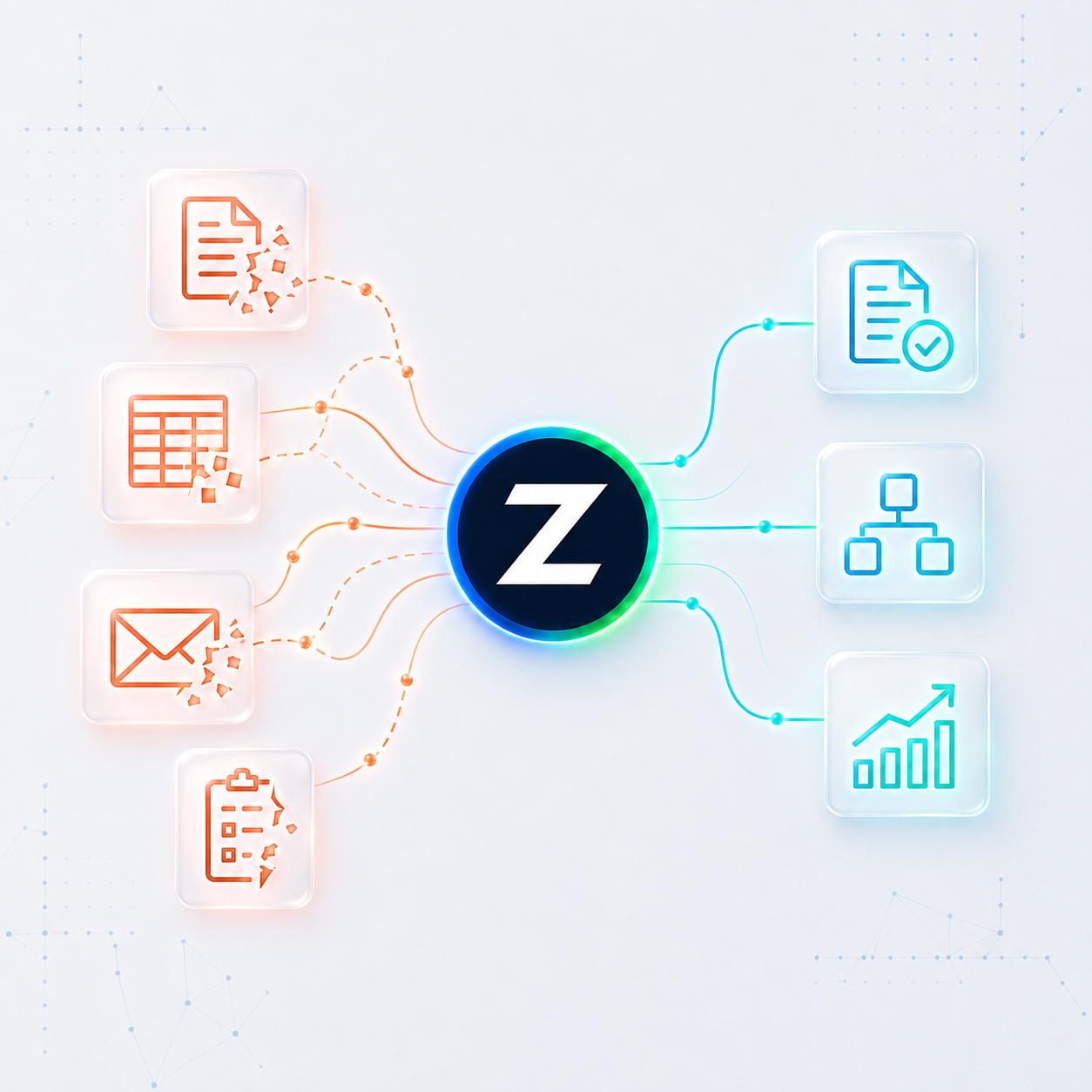
Zebsoft turns these separate quality activities into a connected, traceable operating system.
When the Old Way Stops Working
Spreadsheets and shared folders can support a simple quality system, but they become increasingly difficult to control as an organisation grows.
Different departments begin maintaining their own records. Document versions become uncertain. Actions are followed up through email. Audit findings, complaints and nonconformities are recorded in separate places, making it difficult to see whether the same problems are recurring.
The quality manager may understand how everything fits together, but the wider organisation does not have the same visibility.

Uncontrolled information
Staff cannot be certain they are using the latest procedure, form or instruction..

Reactive improvement
Problems are corrected individually without identifying patterns or checking effectiveness.

Unclear accountability
Responsibilities and deadlines are spread across emails, meeting notes and spreadsheets.

Disconnected quality records
Audits, risks, incidents, complaints and actions exist in different systems.
Zebsoft creates one controlled quality environment in which information, activity and evidence remain connected.
How a Connected Quality Management System Works
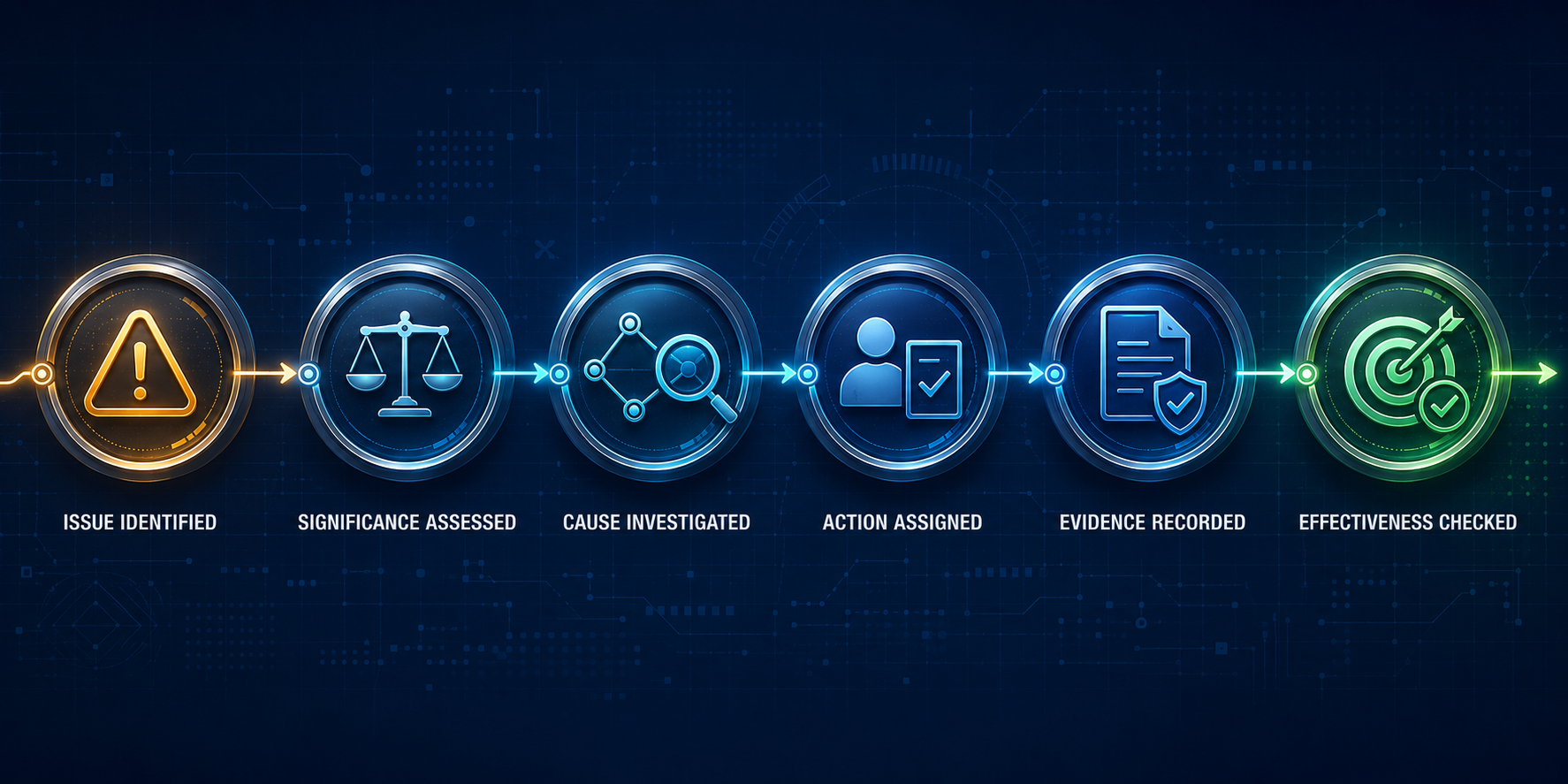
Quality management is a continuous operational cycle. Requirements are defined, communicated, followed, checked and improved.
Zebsoft connects each stage so that quality is managed through the work itself rather than reconstructed before an audit.
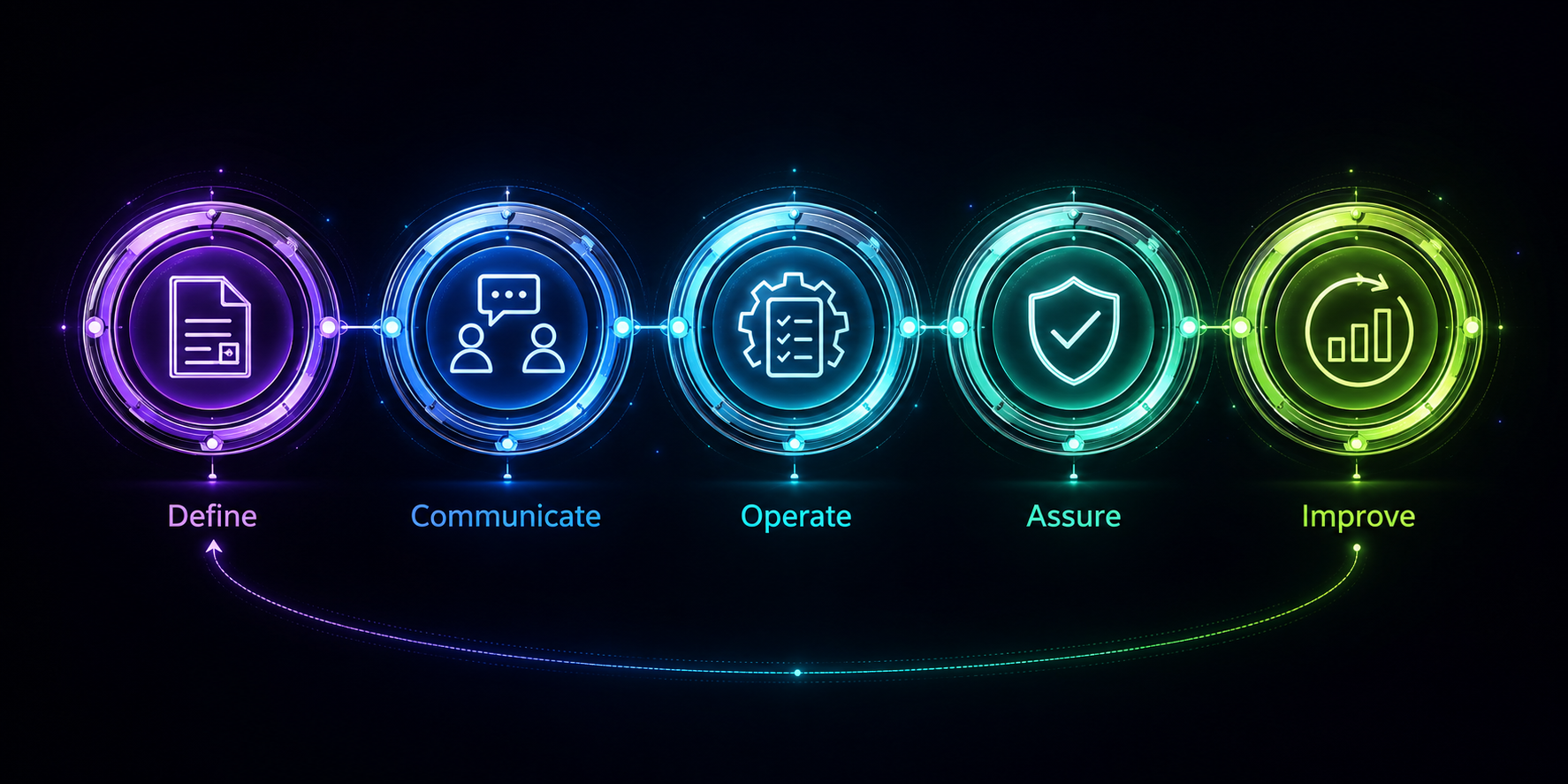
Every stage generates evidence and feeds information into the next, creating a quality system that remains active between audits.
One Connected QMS Platform
Zebsoft brings the core elements of quality management together without forcing each activity into a separate application.

Control policies, procedures, work instructions and forms through defined ownership, review dates, approvals, version history and access permissions.

Plan and conduct internal, supplier and process audits while linking findings directly to responsible people, evidence and follow-up actions.

Record quality failures, investigate causes, allocate corrective and preventive actions and verify whether the response has been effective.
Identify factors that could affect quality, evaluate their significance and connect controls and improvement actions to the wider management system.

Identify essential training against relevant processes, equipment and responsibilities and retain evidence that people are competent to perform their work.
Assess the implications of changes to products, processes, equipment, suppliers or documented information before they are introduced.

Dashboards and Reporting
Bring live quality information together for operational oversight, management review and performance analysis.

Assign ownership, deadlines and escalation requirements so that quality actions are visible and carried through to completion.
See Whether Quality Is Actually Working
A collection of completed records does not automatically demonstrate an effective quality system.
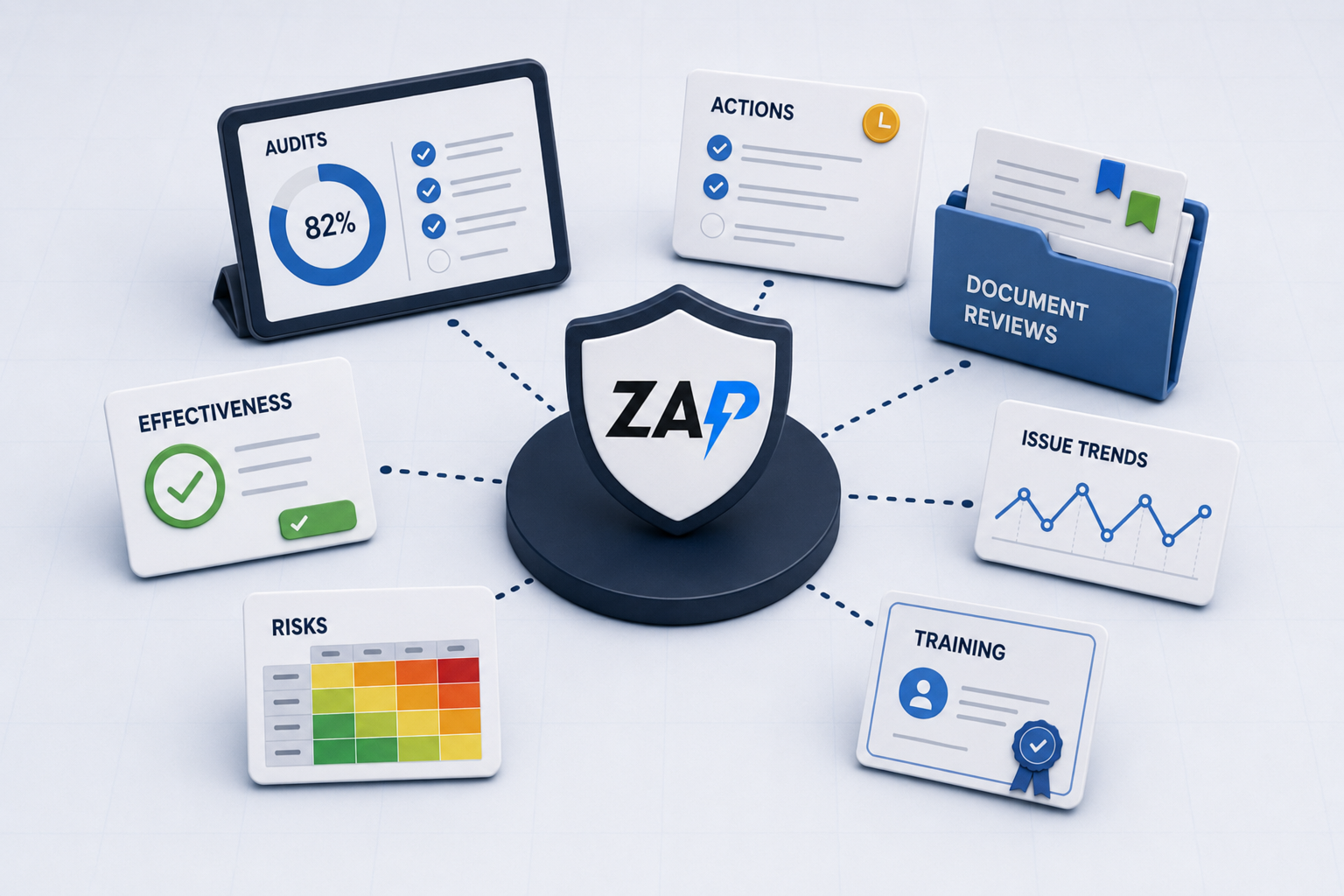
Zebsoft brings live quality information together so that managers can see where attention is required. Instead of manually combining spreadsheets before a meeting or audit, the underlying records continually update the operational picture.
Example quality measures
- Open and overdue corrective actions
- Recurring nonconformities
- Audit programme status
- Document reviews and approvals
- Training and competency gaps
- Risk movement and control status
- Complaints and issue trends
- Improvement and effectiveness checks
This gives management a clearer basis for prioritisation, review and intervention.
QMS Software for Products, Services and Regulated Operations
Zebsoft can be configured around the way an organisation operates rather than imposing a fixed quality model.

Manufacturing and Engineering
Control procedures, equipment-related activities, supplier quality, inspection evidence, nonconformities and process improvement.

Construction and Infrastructure
Coordinate project requirements, approved documents, audits, supply-chain evidence, incidents and corrective actions.

Professional and Business Services
Maintain consistent service processes, responsibilities, customer feedback, risks and improvement across teams.

Healthcare and Life Sciences Support
Strengthen traceability, controlled information, training, audits and quality-event management in controlled environments.

Transport and Logistics
Connect operational procedures, equipment, supplier approval, competency, inspections and service-quality activity.

Multi-site Organisations
Apply common quality controls while retaining visibility of performance, issues and responsibilities across locations.
From ISO 9001 QMS to Enterprise Quality Management
The right quality system depends on what the organisation needs to control.
Building or Maintaining ISO 9001
If certification is the primary requirement, Zebsoft can provide the structure and evidence needed to support ISO 9001, including documented information, risks and opportunities, objectives, audits, corrective action and management review.
Managing Quality Complex Enterprise
Organisations operating across multiple sites, departments, suppliers or regulated activities may require broader enterprise quality management, reporting and oversight.
Zebsoft allows the quality system to develop without replacing the platform or separating the organisation’s quality information.
Zebsoft is designed around these connected relationships so that the QMS supports the organisation rather than becoming another administrative burden.
Turn Quality Management Into a Living Part of Your Business
Monitor risks, audits, approvals, actions and compliance activity across the business in real time.