BUSINESS CONTINUITY ASSURANCE
Business Continuity Management Software for Operational Resilience
Make Readiness Visible Before Disruption Tests It
Business continuity management software should do more than store plans. Zebsoft connects what the organisation must continue, what those activities depend upon, who must respond and what evidence demonstrates that recovery arrangements remain usable.
THE DOMAIN PROPOSITION
Continuity Is an Operating Capability—not a Document Set
Business continuity connects organisational priorities to action under pressure. The system must reflect how products and services are delivered, which activities are critical, how impact develops over time and which internal or external dependencies enable recovery.
A plan can describe those arrangements. It cannot prove that contact information is current, people understand their roles, alternative resources are available, supplier assumptions are valid or actions from the last exercise were effective.
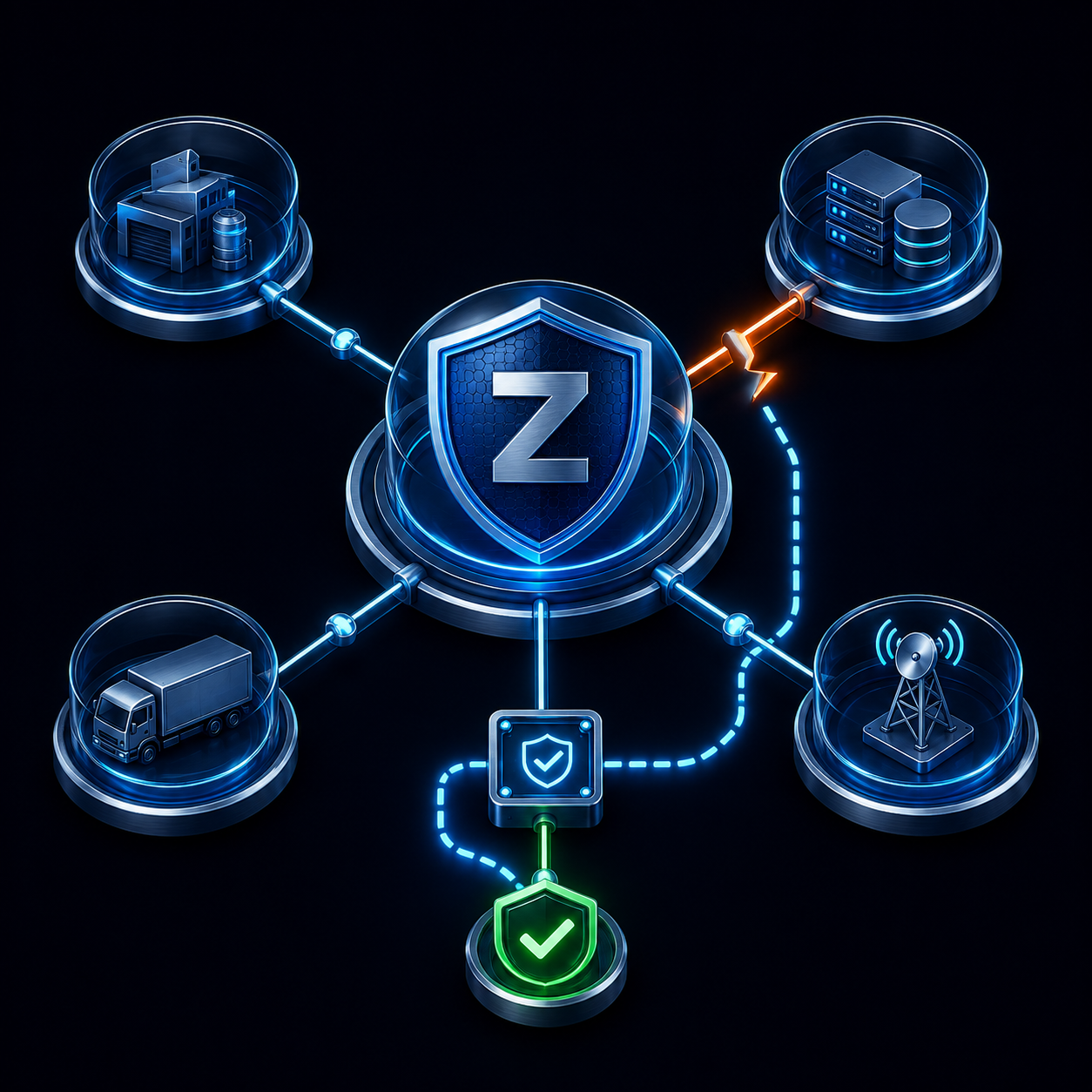
Zebsoft creates the governed thread between analysis, strategy, plans, people, exercises, disruption, evidence and improvement. Management can see readiness and unresolved weakness without waiting for the next annual review.
THE ZAP CONTINUITY ASSURANCE MODEL
Define, Communicate, Operate and Assure
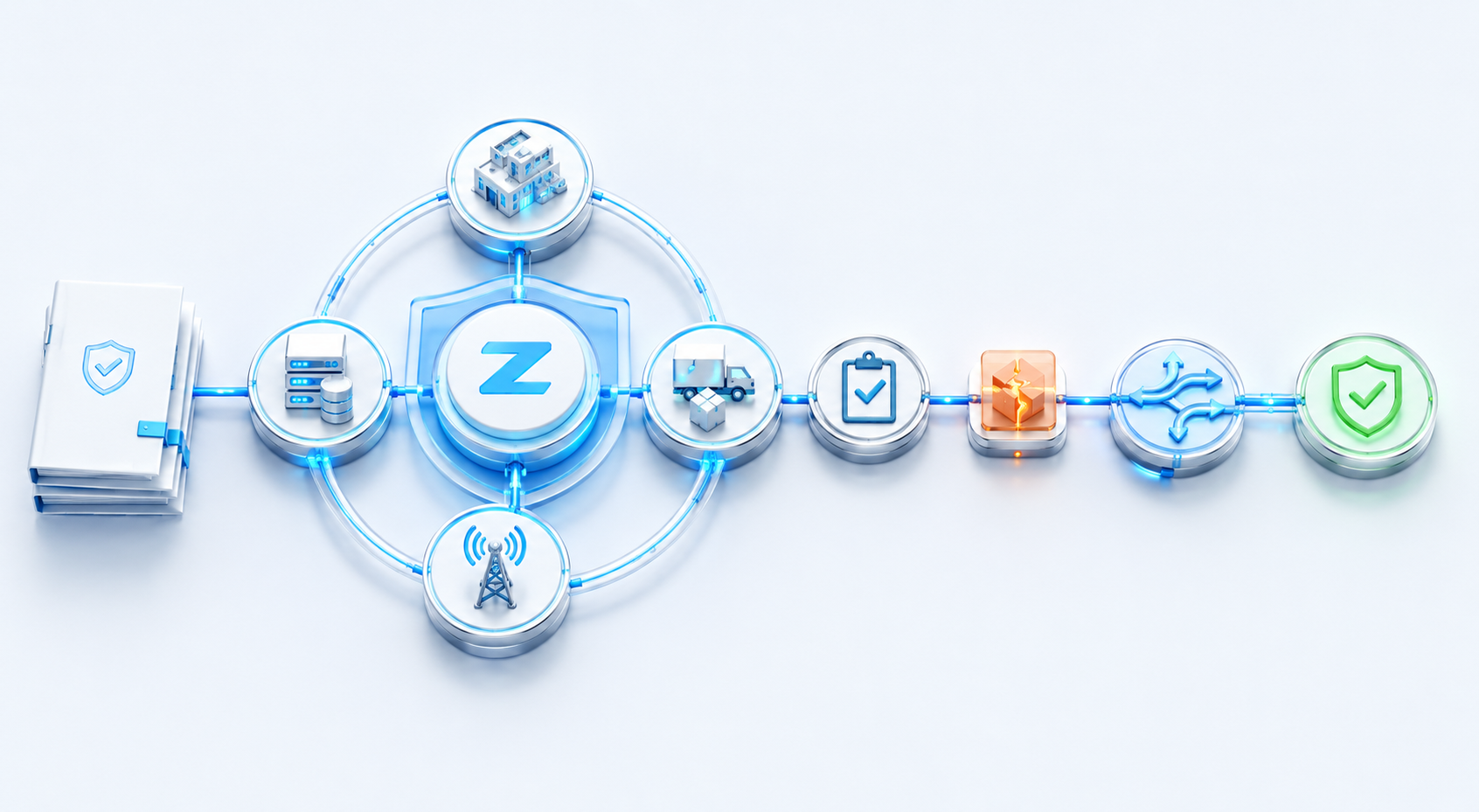
Continuity requirements have value only when people can understand them, use them during disruption and demonstrate that the arrangements are suitable. Zebsoft connects all four stages.
Critical requirement → communicated responsibility → operated recovery control → evidence → human verification → exception, improvement or assura nce
THE STATIC-PLAN PROBLEM
The Plan May Be Approved While Readiness Has Already Changed
Organisations change continuously. People leave, suppliers change, sites move, technology is replaced, volumes grow and recovery assumptions become invalid. A formally approved plan can therefore be out of date before its next scheduled review.
Zebsoft keeps each plan connected to its owner, critical activity, dependencies, objectives, changes, exercises, incidents and actions. A changed dependency or overdue test becomes visible in the assurance position rather than waiting to be discovered during a disruption.
THE CONNECTED CONTINUITY LIFECYCLE
From Organisational Context to Verified Improvement
Business continuity is a repeating management cycle. Zebsoft keeps analysis, decisions, operation and assurance connected as the organisation evolves.
UNDERSTAND WHAT MUST CONTINUE
Business Impact Analysis With the Dependencies Still Attached
A Business Impact Analysis should reveal which activities support priority products and services, how disruption affects the organisation over time and what must be available for recovery. Zebsoft keeps those conclusions connected to the operating system.
Impact and priority
Define the approved analysis method, impact categories, time horizons, tolerances and decision authority. Connect the result to products, services, activities, sites, owners and relevant obligations.
Human owners and competent reviewers remain responsible for assessing impact and agreeing recovery priority. The platform preserves their assumptions, evidence and decisions.
Resources and dependencies
Connect each activity to the people, competence, facilities, information, technology, equipment, utilities, transport, suppliers and other services it needs.
When one dependency supports several critical activities, its wider consequence becomes visible. When a supplier, asset or system changes, affected continuity assumptions can enter review rather than remaining hidden inside an old BIA.
FROM ANALYSIS TO RECOVERY STRATEGY
Set Objectives That Recovery Arrangements Can Actually Meet
Recovery objectives translate the Business Impact Analysis into usable priorities. They should be approved in context and supported by strategies, resources and dependencies capable of achieving them.
A target written in a plan is not evidence of recoverability. Exercises, tests, incidents and current dependency information must challenge whether the strategy can meet it.
RECOVERY PLANS THAT BECOME OPERATIONAL
Move From Instructions to Owned Response Workflows
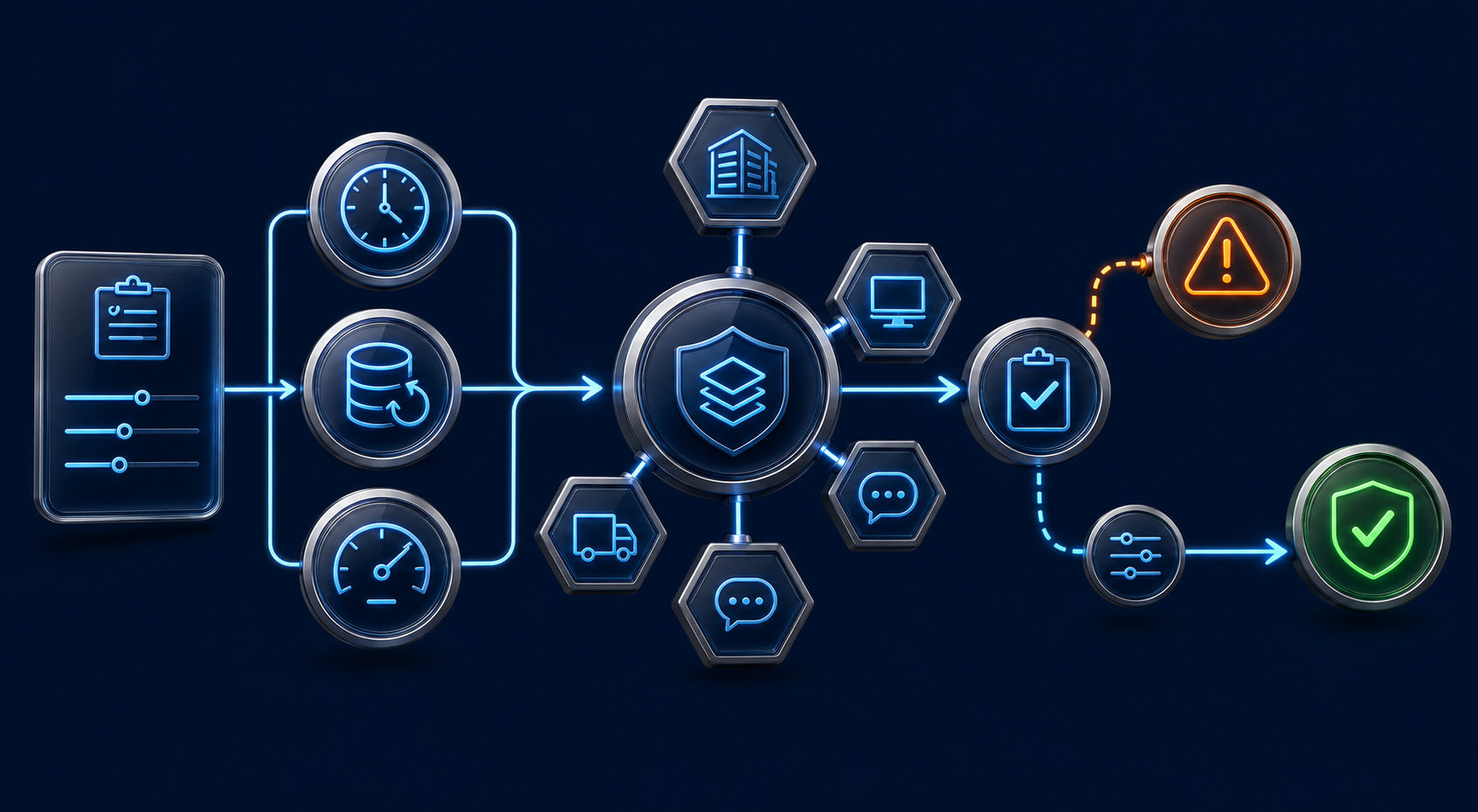
A useful plan helps people make decisions and act when information is incomplete and conditions are changing. Zebsoft keeps the approved plan available while coordinating the live work around it.
Organisations still need appropriate emergency arrangements and specialist tools. Zebsoft provides the wider governance, workflow, evidence and assurance layer connecting those arrangements.
WHEN DISRUPTION OCCURS
Give the Response Team One Current Operational Picture
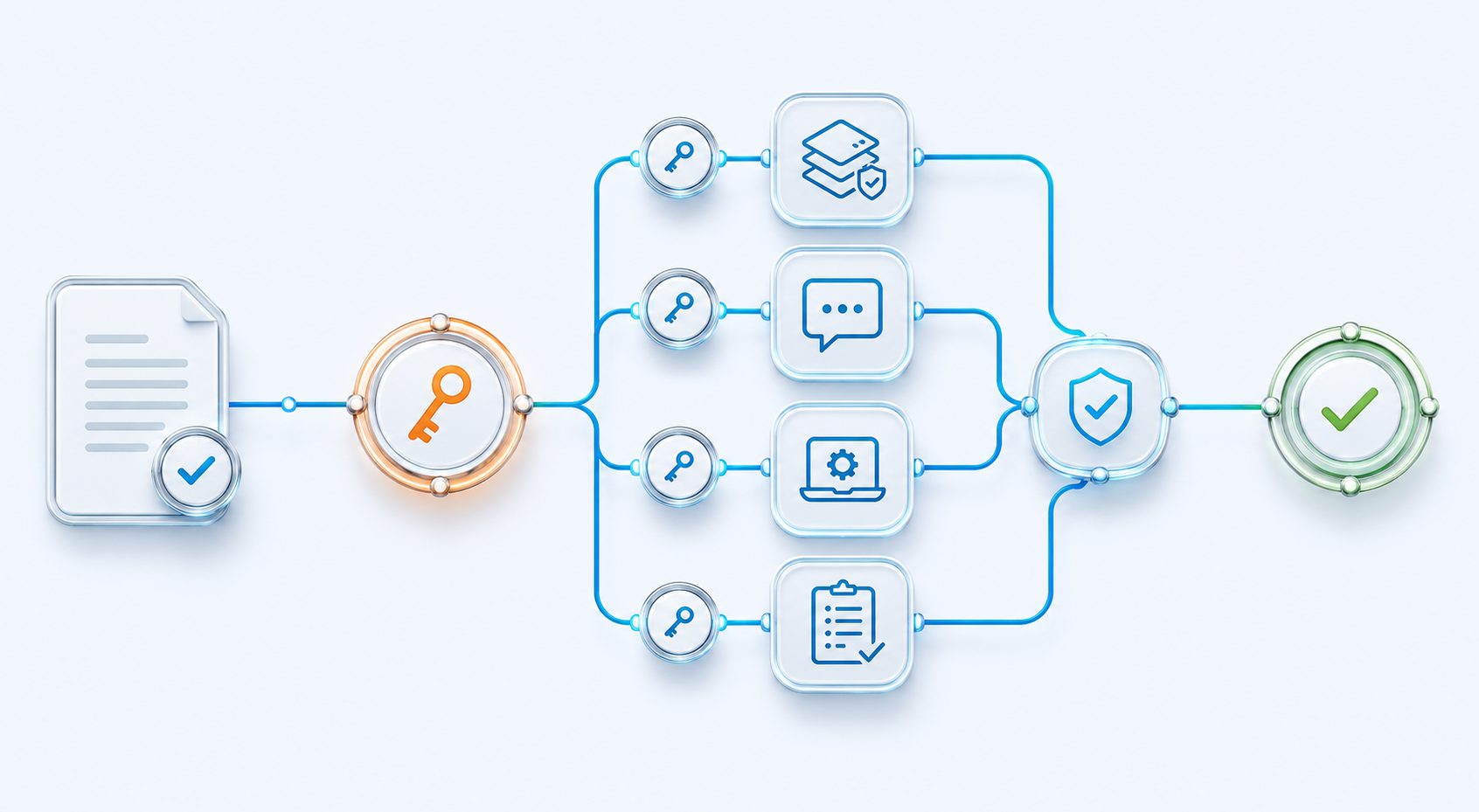
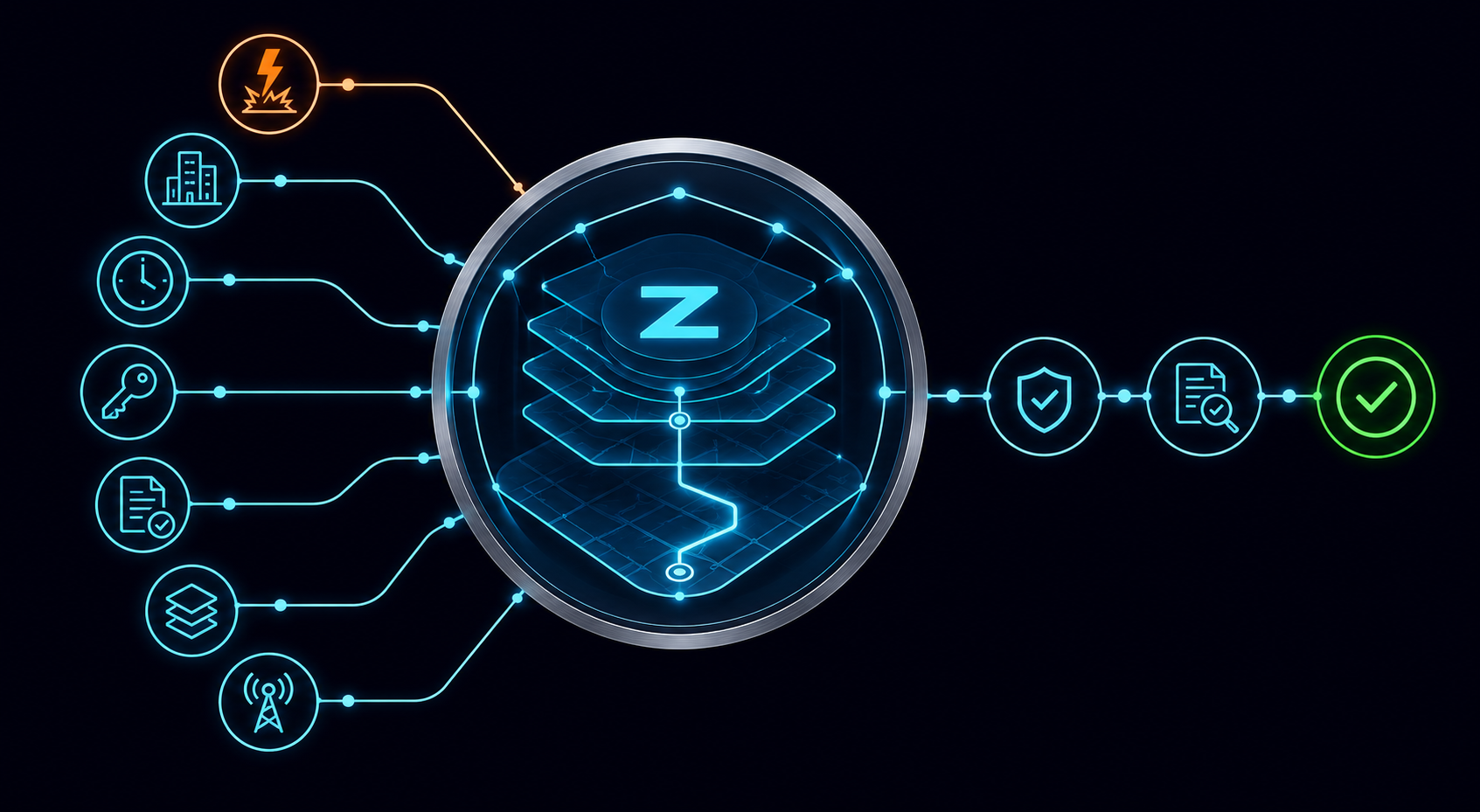
Disruption changes quickly. Teams need the current incident context, affected activities, recovery priorities, decisions, owners, actions and communications—not several parallel versions shared through private inboxes.
Workflow supports coordination. Accountable leaders remain responsible for command, emergency decisions and communication.
EXERCISE. OBSERVE. IMPROVE.
Validate the Arrangement Before a Real Event Does
Exercises should test defined objectives and assumptions, not merely demonstrate that participants attended. Zebsoft connects each exercise to the plans, activities, dependencies, recovery targets and people being examined.
A successful exercise does not prove that every disruption can be controlled. It provides evidence about the arrangements tested, the conditions used and the improvement still required.
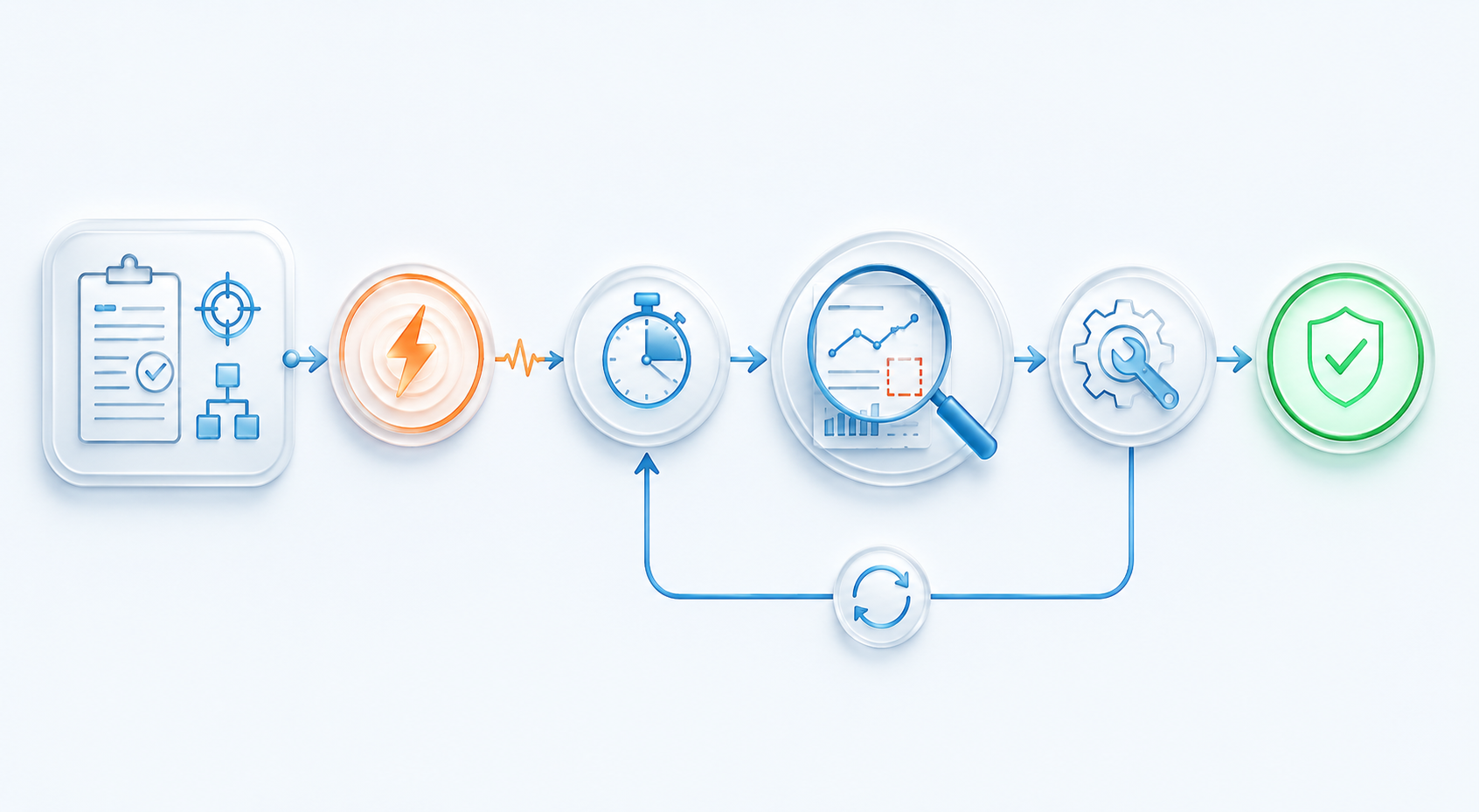
THIS IS HOW WE SOLVE THE PROBLEM
A Critical Cloud Service Becomes Unavailable
The outage affects customer service, remote staff and access to operational information. The value of the domain is visible in what happens between the alert and the assurance conclusion.
Disruption or change → affected critical activity and dependency → owned recovery control → communication and response workflow → evidence → human decision → verification and assurance
CONTINUOUS VISIBILITY
See Readiness, Not Just Document Status
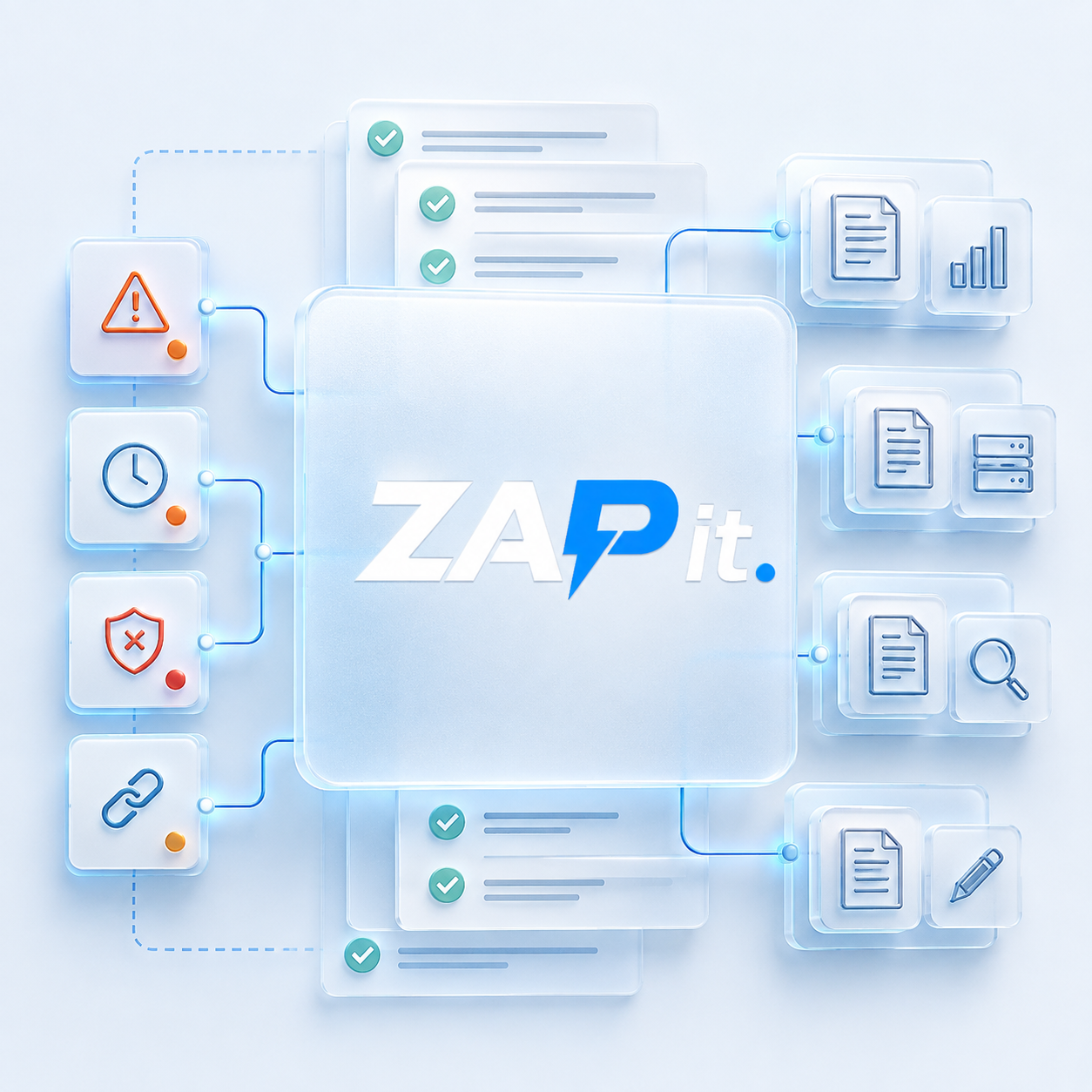
Management needs to know where the organisation is ready, where evidence is missing and which assumptions or actions threaten recovery. A dashboard is useful only when users can follow the status back to the underlying workflow and human conclusion.
Green status should mean the approved evidence supports the stated position—not simply that a task was clicked complete.
ONE DOMAIN. CONNECTED CAPABILITIES.
Business Continuity Draws From the Whole Assurance System
Continuity cannot operate in isolation. It depends on current risks, people, assets, suppliers, documents, incidents, change and assurance activity across the organisation.
WHY ORGANISATIONS MOVE BEYOND STATIC PLANS
Continuity Management, Not Continuity Storage
Documents, notification systems and IT recovery tools each have value. The distinction is whether the complete organisational continuity position remains connected, operated and assured.
| Continuity need | Documents, folders and spreadsheets | IT recovery or notification tool | Zebsoft connected continuity assurance |
|---|---|---|---|
| Critical activity and dependency | Information is recorded in separate analyses and becomes difficult to maintain. | Technology assets or communication groups may be mapped well. | Activities connect to people, sites, information, technology, assets, suppliers, controls and recovery requirements. |
| Recovery objectives | Targets are copied into plans and can conflict across versions. | Technical recovery targets may be monitored. | Approved objectives remain connected to the activity, impact, strategy, plan, test and accountable owner. |
| Plan activation | People search for the current document and coordinate by phone or email. | Alerts, contact trees or technical runbooks may be activated. | The governed response links roles, decisions, communications, actions, evidence, exceptions and changing priorities. |
| Exercise and validation | Results are written up and actions tracked elsewhere. | Specialist technical tests can prove specific recovery arrangements. | Scenario, objectives, participants, evidence, results, gaps, actions and effectiveness remain connected. |
| Management assurance | A report is assembled retrospectively from several owners. | Specialist dashboards report their own area. | Leaders see current readiness, overdue validation, unresolved weaknesses and the evidence behind the stated position. |
CONTROLLED TRANSITION
Move From Shared Folders or Another BCMS in Manageable Stages
Existing BIAs, plans and exercise records contain valuable organisational knowledge. Migration should protect that value while removing duplication and exposing weak ownership or outdated assumptions.
ISO 22301 SUPPORTING THE DOMAIN
Operate and Evidence a Business Continuity Management System
ISO 22301 provides requirements for a business continuity management system. Zebsoft can support the processes, responsibilities, workflows and evidence through which the organisation operates that system; the standard supports the domain proposition rather than replacing it.
ISO 22301 official page → ISO 22313 official page →
Zebsoft does not certify an organisation or guarantee conformity, successful recovery or an uninterrupted service.
RESPONSIBLE AI. ACCOUNTABLE RESPONSE.
AI Can Help Interrogate Readiness—it Cannot Declare It
Where enabled, AI can help authorised users interrogate and summarise approved continuity information. Workflow automation can route known activity. Neither possesses organisational authority, live situational awareness or professional competence.
AI must not invent dependencies, recovery strategies, exercise evidence, approvals, communications or decisions.
PRACTICAL QUESTIONS
Business Continuity Management Software FAQs
Continuity arrangements must reflect the organisation’s real products, services, risk, resources and authority. Zebsoft provides the connected system through which those arrangements can be operated and evidenced.
What is business continuity management software?
Business continuity management software connects critical activities, impacts, dependencies, recovery objectives, strategies, plans, people, exercises, incidents, actions and evidence. Zebsoft turns those elements into owned workflows so readiness can be operated and examined rather than assumed from stored plans.
How is business continuity different from disaster recovery?
Disaster recovery normally focuses on restoring technology and data. Business continuity considers how the organisation continues priority products and services using people, facilities, information, technology, suppliers, assets, communications and alternative arrangements. Technical recovery remains an important dependency within that wider system.
Does Zebsoft support Business Impact Analysis?
Yes. Zebsoft can structure the approved BIA method, affected products and services, activities, impact over time, dependencies, recovery priorities, objectives, ownership, review and evidence. Competent people remain responsible for the analysis and decisions.
Can recovery plans be activated through workflows?
Yes. Where configured, an authorised activation can route notifications, responsibilities, decisions, actions, evidence requests, escalation and status. The organisation must still define and resource its command, communication and emergency arrangements.
Can suppliers and outsourced services be included?
Yes. Critical suppliers and services can be connected to the activities that depend on them, their continuity evidence, incidents, alternative arrangements, reviews, tests and corrective actions. Supplier claims still require proportionate human validation.
How does Zebsoft support exercises?
Exercises can retain scenario, scope, objectives, participants, assumptions, injects, observations, results, evidence, gaps and actions. Actions can then move through ownership and effectiveness verification instead of disappearing into an exercise report.
Does Zebsoft support ISO 22301 certification?
Zebsoft can support operation and evidence of a BCMS aligned with ISO 22301. It does not certify the organisation or guarantee conformity. The organisation owns implementation and competent judgement; an accredited certification body makes the independent certification decision.
Can AI decide whether we are ready for disruption?
No. AI may help authorised users interrogate or summarise approved continuity information where enabled. It must not invent dependencies, plans, exercise evidence, approvals or decisions, and it cannot replace accountable human assessment of readiness.
THE ASSURANCE OUTCOME
Know What Is Ready, What Is Weak and Who Must Act
Business continuity assurance is not a promise that disruption will not occur. It is the evidence-backed confidence that priorities, dependencies, responsibilities and recovery arrangements are understood, current, exercised and subject to accountable improvement.